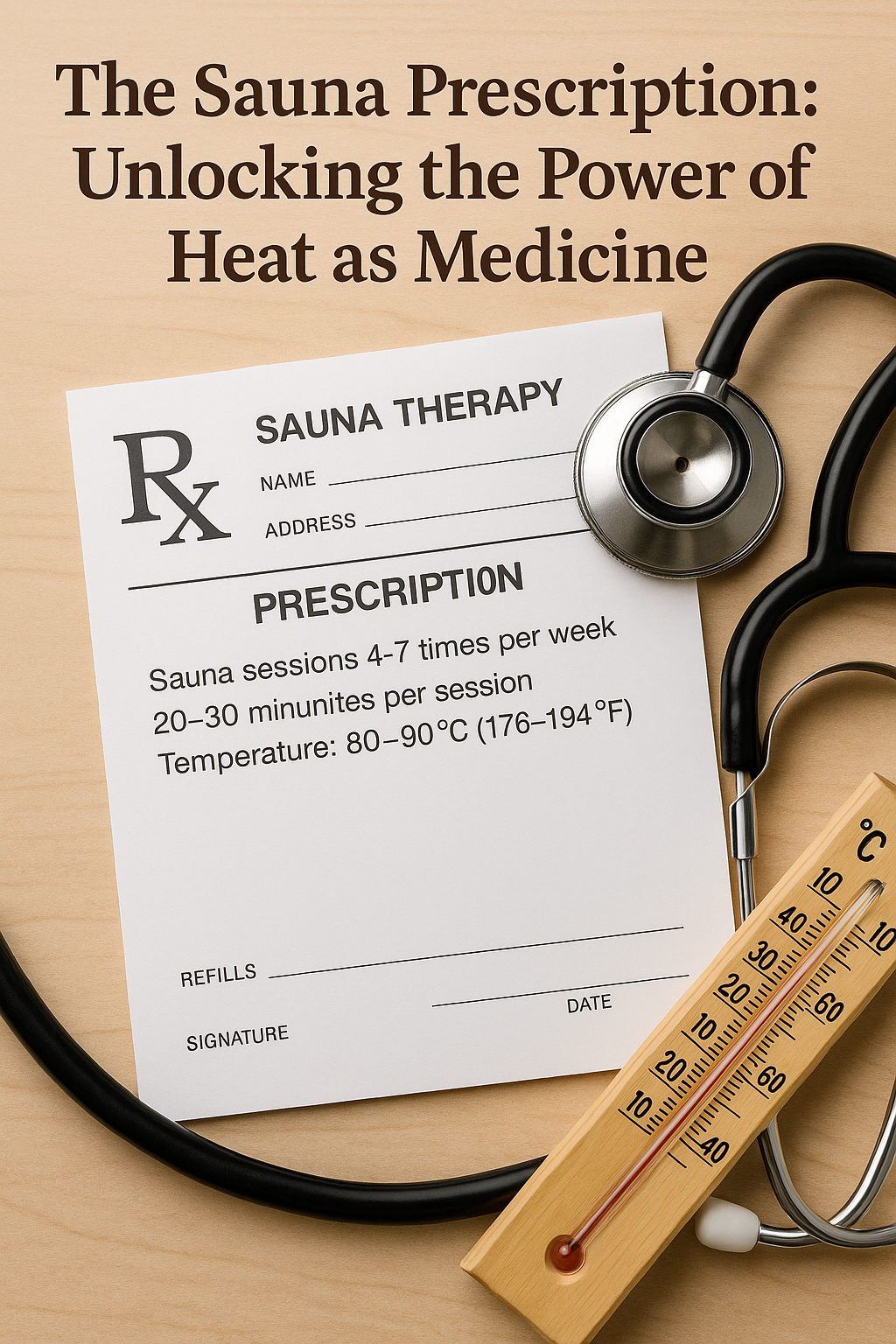
The Sauna Prescription: Unlocking the Power of Heat as Medicine
TL;DR
Core Concept: Sauna bathing—whether traditional (dry heat) or infrared—is not just a relaxation practice, but a scientifically validated therapeutic tool acting as a beneficial stressor (hormesis) that triggers powerful adaptation and cellular repair mechanisms in the body.
Significance: Regular sauna use is associated with a significant reduction in cardiovascular disease, neurodegeneration, and all-cause mortality, making it a valuable preventive health practice and longevity tool to improve quality of life.
Challenges: Challenges include access to a sauna (cost or availability), the need for gradual heat adaptation, and respecting precautions, especially for people with pre-existing medical conditions or dehydration/electrolyte imbalance risks.
Strong Fact: Finnish studies have shown that sauna use 4–7 times per week is associated with a 40% reduction in all-cause mortality risk and a 50% reduction in cardiovascular mortality risk over a nearly 21-year follow-up period, compared to once-weekly use.
OVERVIEW
The sauna traditionally refers to a wood-paneled room heated for “bathing in heat.” Historically tied to cleansing rituals and even considered a sacred place in Nordic cultures, modern research has demonstrated its substantial health benefits.
The opportunity lies in the sauna’s ability to enhance various aspects of physical and mental health, acting as a form of preventive medicine.
The ideal vision is to integrate sauna use regularly as a simple yet highly effective tool for optimizing health, enhancing resilience, and extending longevity.
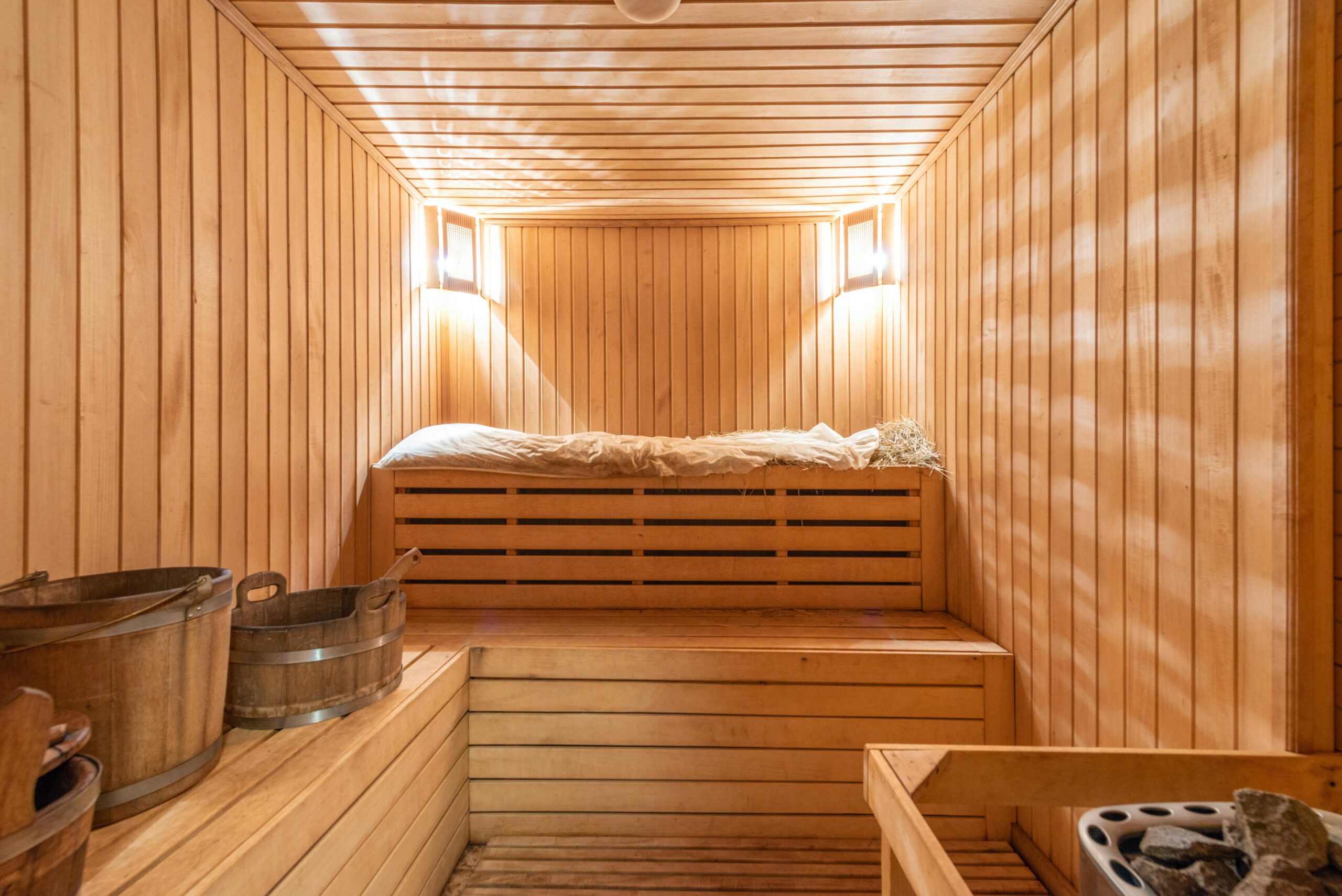
SaunaS?
There are different forms of saunas you could use (although most scientific research has primarily focused on dry heat (traditional saunas)) :
Traditional Sauna (Dry Heat): Heated by conventional heaters (electric or wood-fired) that warm the air. Temperatures generally range from 70°C to 100°C (158°F to 212°F), ideally around 80–90°C (176–194°F) at face height, with low humidity (10–20%). Water may be thrown onto hot stones to momentarily increase humidity.
Steam Sauna (Hammam): Operates at lower temperatures (30–50°C) with much higher humidity (over 50%).
Infrared Sauna: Uses infrared emitters to directly heat the body, penetrating deeper into tissues (approximately 3–4 cm into fat and neuromuscular tissue) instead of heating the ambient air. The air temperature is lower (35–50°C).
(Note : I personally use an infrared model and it works perfectly fine.)
Why Should You Care About Sauna ?
You should care about sauna use because it offers substantial potential health benefits on multiple fronts.
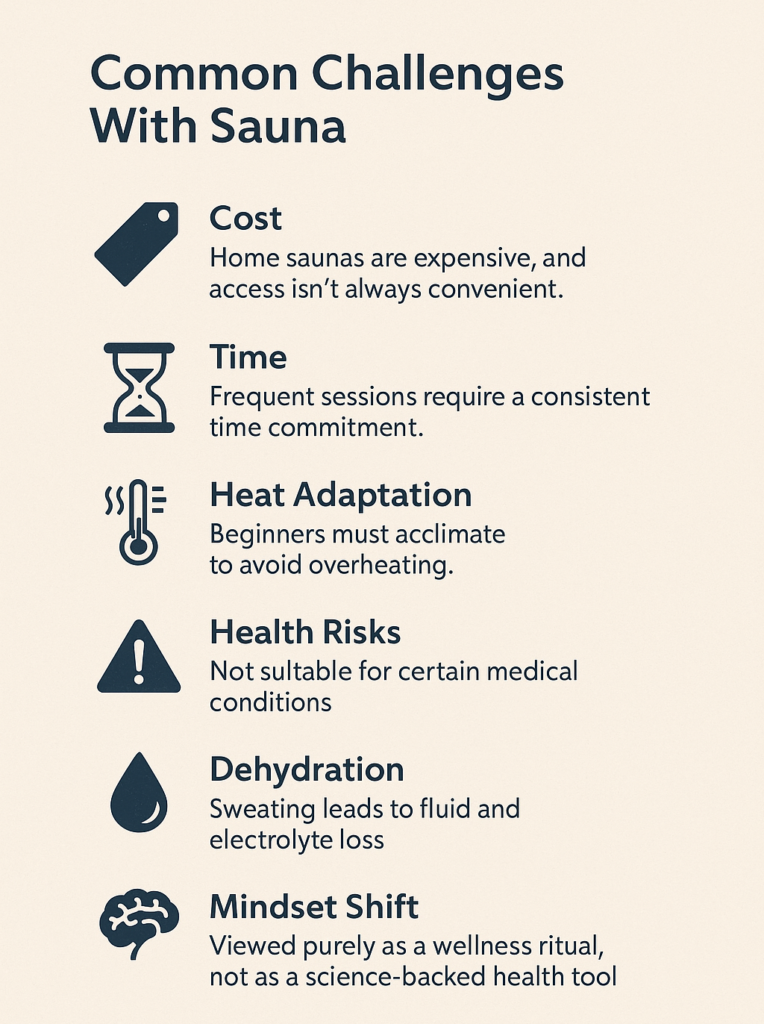
Key benefits associated with sauna use include:
- Longevity & Mortality Reduction: Significant reduction in all-cause mortality and cardiovascular events. [1]
- Brain and Mental Health: Enhanced cognitive clarity, mood improvement, stress reduction, protection against neurodegeneration (dementia, Alzheimer’s), and lowered risk of psychotic disorders.[2]
- Detoxification: Excretion of heavy metals, BPA, PCBs, and phthalates through sweating.[2]
- Immune Health: Enhanced immune system, helping to fight viral and respiratory infections.[1]
- Metabolic Health: Improved insulin sensitivity and glucose metabolism.[1]
- Pain Management: Relief for joint and muscle pains.[1][6]
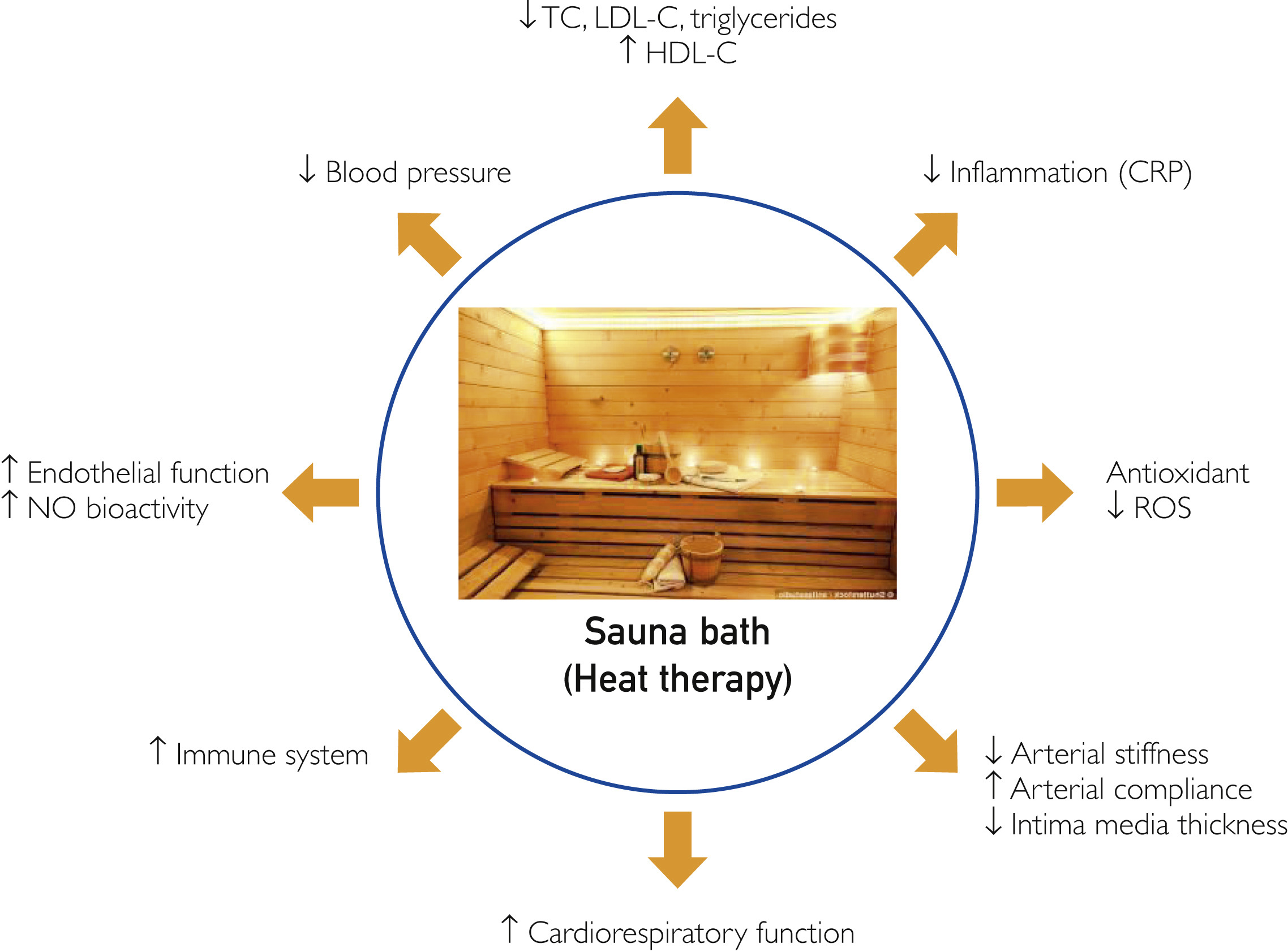
Common Challenges With Sauna
Despite its many benefits, sauna access and usage can present some challenges:
- Cost: Purchasing a home sauna can indeed be expensive. Typically, access is available through gyms or wellness centers, but it’s not always convenient or nearby. Fortunately, at Alea, you have the chance to enjoy a high-quality multi-person sauna on-site — a true privilege!
For those who might not have enough time to use the sauna at Alea regularly, there’s also a great alternative: you can invest in an infrared sauna blanket.
The best zero-EMF options start around $600, but you can also find decent models for about $200, giving you a foldable, home-based sauna experience. It’s an affordable and practical way to enjoy the benefits of sauna therapy in the comfort of your own home, especially when life gets busy. - Time: Allocating 20–30 minutes (or more) per session, multiple times a week, requires a time commitment.
- Heat Adaptation: Beginners should start slowly to allow gradual body acclimation and avoid dehydration or heat exhaustion.
- Health Risks: People with heart conditions, hypertension, or other pre-existing medical issues should seek medical clearance and proceed with a minimum of caution.
- Dehydration and Electrolyte Imbalance: Heavy sweating can lead to water and mineral loss if rehydration isn’t properly managed. (More on that into “Hacktion” section.)
- Mindset Shift: One of the biggest hidden challenges isn’t physical — it’s cultural and perceptual.
Many still associate sauna use purely with relaxation, sweating, and spa-like wellness rituals. But science tells a different story: sauna is a powerful, science-backed tool for cardiovascular health, detoxification, immune support, neuroprotection, and longevity.
It’s not just about self-care or “me time” — it’s about training your body, supporting your mitochondria, and investing in your future health.
More “Hard Facts” to Motivate You (Science Based)
Some key data points to highlight sauna impact:
- Sauna use 4–7 times per week = 40% lower all-cause mortality risk and 50% lower cardiovascular mortality risk. [3]
- Sauna use 4–7 times/week = 66% lower dementia risk and 65% lower Alzheimer’s risk. [4]
- Post-exercise sauna sessions boost endurance and recovery.
A 3-week intervention increased running time-to-exhaustion by 32%.([5] – Protocol: 3 weeks of post-exercise sauna (12.7 sessions at 89.9°C for 31 mins)). Also, Infrared sauna, in particular, appears especially beneficial for power retention and recovery: A single session of 20 minutes at 43°C [6] following resistance training helped attenuate “Countermovement Jump” performance decline and resulted in a 20–60% reduction in muscle soreness, along with improved perceived recovery.
INTERESTING VIDEOS TO WATCH
(it’s not all about the sweating…)
INTERESTING PODCAST TO LISTEN TO
HOW TO GET INTO HACKTION?

Practical Instructions
- To reap the maximum benefits, researchers suggest a protocol similar to a medical prescription:
| Aspect | Recommendation |
|---|---|
| Frequency | Aim for 4–7 sessions per week for maximum benefits. 2–3 times per week is still very beneficial; even once per week is better than none. |
| Duration | Target 20–30 minutes per session. Significant heat shock protein activation occurs around 20 minutes; sessions under 11 minutes are less effective. |
| Temperature | Traditional saunas: 70–100°C (158–212°F), ideally around 80–90°C. Infrared saunas: 35–50°C (95–122°F), lower air temperature but deeper tissue penetration. |
| Timing | Best to avoid sauna right before training. Post-workout sauna is ideal for muscle recovery and GH boost. Avoid right before sleep (up to 4 Hours before is better), unless personally beneficial. |
| Listen to Your Body | Start with lower heat (100–120°F / 38–49°C) and shorter sessions. Gradually increase over time. Exit if you feel faint or dizzy. |
2. Behavioral/Environmental Adjustments:
- Hydration: Absolutely crucial! Drink plenty of water and electrolytes before, and after sauna use.
- Cool Down: Gradual cooling is recommended; cold showers are also beneficial between multiple sessions.
- Minimal Clothing: Use swimwear or go nude for best skin heat exposure.
- Activities: Meditate, read, listen to music—avoid sleeping inside for safety. Light stretching or yoga can be beneficial.
- /!\ Avoid: Fever, alcohol, and heavy meals before sauna sessions.
3. Advanced Tips:
- Contrast Therapy: Optional “advanced” hacks include contrast therapy (combining sauna with cold plunges – Dr SOEBERG PROTOCOL “Thermalist Method“) to supercharge recovery and growth hormone release.
4. Tool/Product/Resource:
Saunas: Options range from traditional to infrared models. Look for reputable brands like Sunlighten. Budget alternatives include infrared blankets (E.g : Bon Charge, Koana etc.)
Note : I use personnally one from prasannahealth 0 EMF for many years now.
[optional coupon code : “hacktivated10”]
Electrolytes: Supplement with electrolytes to replenish minerals lost through sweat.
[Here some ideas of electrolytes product : biohacker center or codeage]
CONCLUSION
Sauna bathing is far more than a wellness trend—it is a potent tool of preventive medicine and health optimization, backed by robust scientific evidence. Controlled thermal stress triggers powerful adaptation and repair mechanisms that can repair, optimize, and reprogram your biology toward a longer, healthier life.
Considering sauna use as an investment in your longevity can be a strong motivator to integrate it into your routine.
Author’s Note…
On a personal note, I have been using an infrared sauna regularly since 2017, and it has played a major role in supporting my recovery from chronic Lyme disease.
Infrared sauna therapy has been an undeniable pillar for detoxification, brain health and muscular recovery throughout the years.
When dealing with complex conditions like mine, where detoxification pathways are often impaired and physical strength may be limited — making regular exercise difficult — the ability to sweat deeply and safely becomes a precious tool.
Through this practice, I have been able to eliminate heavy metals, chemical residues, microplastics, and other toxins more effectively, contributing significantly to my healing journey.
Beyond detoxification, I have also consistently experienced improved sleep quality thanks to infrared sauna use — a benefit that cannot be overstated when it comes to recovery and overall well-being.
I warmly recommend embracing this “sauna prescription” as a powerful and natural support to health and longevity.
Today, science validates this practice more strongly than ever before.
Wishing you good sauna sessions — and a long, vibrant life! 🙂
Erwin
F.A.Q
How long should I stay in the sauna?
Aim for 20–30 minutes per session to optimize cardiovascular benefits and trigger heat shock protein activation.
Longer sessions (over 19 minutes) are associated with better mortality reduction compared to shorter ones (less than 11 minutes).
What is the ideal frequency?
Studies showing the most significant benefits (such as major reductions in mortality and dementia risks) involve sauna use 4 to 7 times per week. However, even 2–3 sessions per week or just once a week provide important health benefits. In general: the more frequent, the better, up to a reasonable point.
What temperature should I set my sauna at?
For traditional saunas, studies typically recommend temperatures between 70–100°C (158–212°F), ideally 80–90°C for optimal benefits.
For infrared saunas, temperatures are generally lower (35–50°C), but the deeper penetration compensates for it.
Heat shock proteins start activating at around 70°C.
Does sauna use help with detoxification?
Yes. Sauna-induced sweating is an effective mechanism for eliminating toxins, including heavy metals (like mercury and lead) and chemical pollutants such as BPA, PCBs, and phthalates. In many cases, toxin concentrations in sweat are even higher than those in urine.
Does sauna use affect male fertility?
Excessive heat around the testicles can temporarily reduce sperm production (spermatogenesis).
Frequent sauna use (4–7 times per week) might potentially lower sperm count if no precautions are taken.
One suggested strategy is to use a cold pack on the testicles during or after sessions to minimize heat-related effects.
Can pregnant women or children use the sauna?
Pregnant women should be cautious. It’s advised to avoid very high temperatures (keep it under 70–80°C) and ensure internal body temperature does not exceed 38.9°C (102°F).
In Finland, moderate sauna use during pregnancy is common, and congenital defect rates are low, suggesting that moderate use may be safe, but a medical consultation is highly recommended.
Children: Research is limited, and children are more sensitive to heat. Caution is essential, and sessions should be shorter and cooler.
Should I drink water and take electrolytes?
Absolutely essential! Intense sweating leads to water and mineral loss.
You must drink plenty of water and replenish electrolytes (via drinks or mineral-rich foods) to avoid dehydration, headaches, cramps, and even arrhythmia risks.
Is combining sauna with cold exposure (contrast therapy) beneficial?
Yes, though not mandatory. Combining both practices can be a powerful wellness routine if tolerated.
Is infrared sauna as beneficial as traditional sauna?
Most research has been conducted on traditional Finnish saunas. However, infrared saunas offer many similar benefits (cardiovascular health, metabolic improvements, pain relief, neuroprotection) and some unique advantages (deeper tissue penetration, positive effects on skin and joints). Both types create a beneficial hyperthermic effect.
Should I worry about radiation from an infrared sauna?
Infrared saunas use thermal radiation (energy in the form of electromagnetic waves, mainly infrared and visible light), not particulate radiation. When used according to manufacturer guidelines, they are considered safe for most people. These rays are similar to those naturally emitted by the sun.
However, some devices do emit a residual electromagnetic field (EMF), which can be considered a form of low-level pollution or toxicity.
For this reason, it is recommended to choose low-EMF or ideally zero-EMF technologies.
This allows you to enjoy the benefits of infrared radiation without unnecessary electromagnetic exposure.
For example, the Prasanna Health infrared sauna blanket is one of the rare models on the market specifically marked as zero-EMF, offering a safer and cleaner sauna experience.
REFERENCES
[1] Laukkanen, J. A., & Laukkanen, T. (2018).Cardiovascular and Other Health Benefits of Sauna Bathing: A Review of the Evidence.
Mayo Clinic Proceedings, [PMID: 30077204].
🔗 https://pubmed.ncbi.nlm.nih.gov/30077204/[2] Hussain, J., & Cohen, M. (2018).
Clinical Effects of Regular Dry Sauna Bathing: A Systematic Review.
Evidence-Based Complementary and Alternative Medicine, Article ID 1857413.
PMCID: PMC5941775 | PMID: 29849692
🔗 https://pmc.ncbi.nlm.nih.gov/articles/PMC5941775/[3] Laukkanen, T., Khan, H., Zaccardi, F., & Laukkanen, J. A. (2015).
Association Between Sauna Bathing and Fatal Cardiovascular and All-Cause Mortality Events.
JAMA Internal Medicine, 175(4), 542–548.
PMID: 25705824
🔗 https://pubmed.ncbi.nlm.nih.gov/25705824/[4] Laukkanen, T., et al. (2017).
Sauna bathing is inversely associated with dementia and Alzheimer’s disease in middle-aged Finnish men.
Age and Ageing, 46(2), 245–249.
PMID: 27932366
🔗 https://pubmed.ncbi.nlm.nih.gov/27932366/[5] Scoon, G. S. M., Hopkins, W. G., Mayhew, S., & Cotter, J. D. (2007).
Effect of Post-Exercise Sauna Bathing on the Endurance Performance of Competitive Male Runners.
Journal of Science and Medicine in Sport, 10(4), 259–262.
PMID: 16877041
🔗 https://pubmed.ncbi.nlm.nih.gov/16877041/[6] Frontiers in Sports Science (2023).
A Post-Exercise Infrared Sauna Session Improves Recovery of Neuromuscular Performance and Muscle Soreness After Resistance Exercise Training.
PMID: 37398966
🔗 https://pubmed.ncbi.nlm.nih.gov/37398966/
