(COMPLETE GUIDE_Reading time – approx 20mn + Podcast Summary)
INTRODUCTION
In today’s world, our consumption patterns have shifted dramatically, largely due to industrialized food production and dubious marketing practices, leading to an almost constant overconsumption of sugars.
This excessive intake is linked to a range of lifestyle diseases from systemic inflammation to prediabetes, affecting our daily well-being and longevity.
Understanding how your body reacts to the foods you eat, especially carbohydrates (namely “sugars”), is essential for managing energy levels, preventing chronic diseases, and maintaining overall health.
This article will help you with blood glucose awareness and help you to understand better the concept of insulin, glycemic Index and sugar “roller coaster”. Finally, it will guide you to make healthy choices about the “healthy” food you eat.
WHY THIS MATTER FOR YOU?
Food industry and misleading marketing have led us to believe various oversimplified or incorrect health claims around sugar and metabolic energy, such as:
“Consuming sugar is necessary for energy.”
“Rice cakes and fruit juice are healthy choices.”
“Fatty foods are universally harmful.”
“Type 2 diabetes is a condition that cannot be influenced.”
“If you’re not losing weight, it’s solely due to a lack of willpower.”
“It’s normal to feel sleepy at 3 p.m.; just have some coffee.”
“Weight loss is simply about managing calories in versus calories out.”
“Skipping breakfast is always a bad idea.”
Thus, if you believe in any of these statements, you should continue to read what follows.
Especially, if you struggle with at least one of the following examples in your daily life :
you become irritable or upset when hungry, or experience being “hangry”,
you find the need to eat every few hours,
you feel shaky, lightheaded, or dizzy when meals are skipped,
you frequently crave sweets,
you often feel sleepy in the late morning or afternoon, or generally tired throughout the day,
you rely on caffeine to get through your day,
you are dealing with acne, inflammation, or other skin issues,
you suffer from anxiety, depression, or mood swings.
It is now time to counter balance decades of misleading information and retake control on your own biology.
COMMON CHALLENGES
Many people struggle with daily energy and diet management due to misconceptions about sugar, insulin, and healthy eating.
Misunderstandings can lead to poor dietary choices, “sugar roller coaster”, insulin resistance, and metabolic syndrome and other chronic diseases.
“We all face a sugar storm every day. Learning to navigate this storm is essential for our long-term health.” Dr Mark HYMAN
UNDERSTANDING SUGARs
First and foremost, we need some clarification around the word “sugar”, as often people don’t even know that they are actually consuming it in a LARGE quantity.
The terms “carbohydrate“, “glucose,” and “sugar” are closely related and often used interchangeably in discussions about nutrition and biochemistry, but they have specific meanings and relationships to one another.
What is “Carbohydrate”?
Carbohydrates, or hydrates of carbon, are an important class of biomolecules present in a wide variety of foods and organisms. They are primarily classified based on their chemical structure and their ability to be hydrolyzed (broken down into smaller molecules).
Here are the different classes of carbohydrates :
1. Monosaccharides
Monosaccharides are the simplest form of carbohydrates, consisting of single sugar molecules. They cannot be hydrolyzed into smaller molecules. Typical monosaccharides include:
Glucose: Often referred to as blood sugar, it is a primary energy source for cells.
Fructose: A sugar naturally present in fruits.
Galactose: Usually found in milk, as lactose when bonded with glucose.
2. Disaccharides
Disaccharides are formed when two monosaccharide molecules are linked together. They can be hydrolyzed into monosaccharides. Common disaccharides include:
Sucrose (table sugar): Composed of glucose and fructose.
Lactose (milk sugar): Composed of glucose and galactose.
Maltose: Composed of two glucose molecules, often produced during the digestion of starch.
For instance :
All these sugars contain sucrose as their primary component, with varying degrees of molasses added in some types to impart different flavors and colors.
And the impact on your blood glucose levels will be mostly the same.
3. Oligosaccharides
Oligosaccharides consist of 3 to 10 monosaccharides linked together. They are less common in free form in the diet but play crucial roles in biological functions, notably in gut health as prebiotics. Oligosaccharides are often found in foods such as vegetables, whole grains, and legumes.
4. Polysaccharides
Polysaccharides contain more than ten monosaccharides linked and are categorized into two types:
Storage Polysaccharides: They serve as energy storage and include starch (in plants) and glycogen (in animals).
Structural Polysaccharides : They serve as structural components in cells, such as cellulose in plant cell walls (= “fibers”).
You understand now that when we speak of “sugar” in a biological or nutritional context, it can refer to a wide range of molecules, from simple monosaccharides like glucose to more complex disaccharides like sucrose or polysaccharides like starches.
UNDERSTANDING BLOOD SUGAR METABOLISM
What happens within your body when you eat some food that contains sugar?
1 – Carbohydrate Breakdown
When you eat carbs, the sugarS you eat are first “reduced” as simpler sugars. Then, these simpler sugars are absorbed into the bloodstream to be used by cells as energy, or stored in liver and muscles as glycogen. The only one not digested and transformed into simple sugar is the structural polysaccharides “fiber”.
2 – Blood Glucose Management
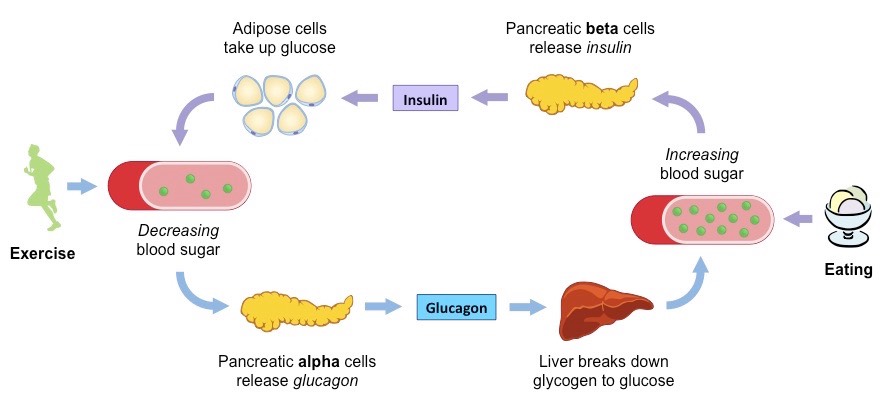
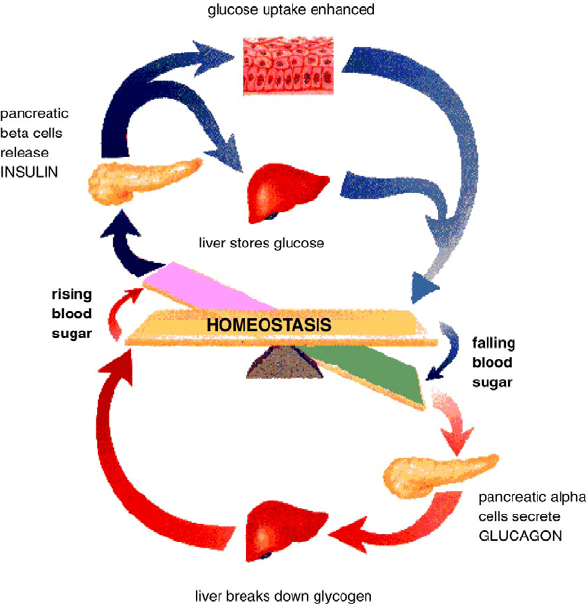
The body uses a sophisticated hormonal system to maintain glucose balance. Especially two pancreatic hormones : Insulin and Glucagon.
Insulin : insulin ensures blood sugar levels remain within a healthy range lowering the blood glucose levels. Therefore, preventing the toxic effects of high blood sugar such as inflammation and cellular damage.
Actions of insulin :
Glucose Transport: Insulin facilitates the entry of glucose into cells, where it’s used for energy or stored for later use.
Glycogen Storage: Insulin prompts liver and muscle cells to store glucose as glycogen, providing an energy reserve for when blood sugar levels drop.
Fat Storage: Excess glucose is converted into fat and stored in adipose tissues, helping to manage blood sugar levels.
Glucagon is another hormone produced by our pancreas. Glucagon is a hormone that functions in a manner opposite to insulin, by raising blood sugar levels when they fall too low. This typically happens during periods of fasting or when there has been a prolonged period without food intake.
Here’s a clearer explanation of glucagon’s role:
Raising Blood Sugar: Glucagon stimulates the liver to break down glycogen, the stored form of glucose, into glucose, which is then released into the bloodstream. This process, known as glycogenolysis, helps to maintain blood glucose levels within a healthy range, ensuring that the body’s cells receive a steady supply of energy.
Supporting Energy Needs and Muscle Growth: During periods of fasting or low food intake, not only does glucagon help to prevent hypoglycemia (abnormally low blood sugar levels), but it also supports energy needs, particularly for the brain and muscles. Additionally, glucagon aids in the breakdown of fats for energy, a process called lipolysis, which further supports metabolic needs during fasting.
Below are two complementary images that depict the mechanism of blood sugar regulation, serving to illustrate the previous paragraph :
VIDEO RECAP (insulin,glucose storage & regulation)
3 – Blood Glucose Curve (dynamic perspective)
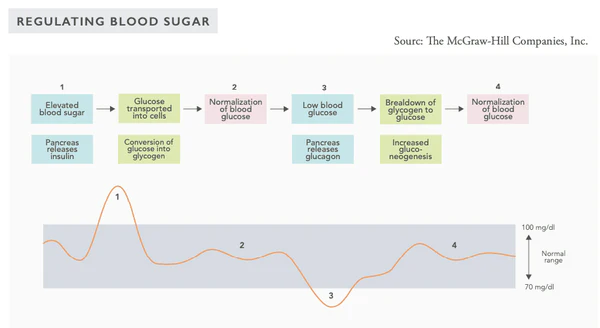
As we discussed it above, the regulation of blood glucose involves a complex interplay of hormonal responses to maintain glucose levels within a normal range, typically between 70 to 100 mg/dL.
The process can be divided into four key phases:
Elevated Blood Sugar: This initial spike in the graph represents the rise in blood glucose following a meal. When blood glucose levels rise, the pancreas responds by releasing insulin. TO AVOID GLUCOSE SPIKE TOXICITY : the spike souldn’t be higher than +30mg/dL
Normalization of Blood Glucose: As glucose enters the cells, blood sugar levels begin to drop back toward normal. Insulin continues to aid in the metabolism of glucose and supports the conversion of excess glucose into glycogen. This phase is represented by the descending curve following the initial spike.
Low Blood Sugar: Between meals, as the effect of insulin diminishes and blood sugar levels decrease, the pancreas secretes glucagon.
Normalization of Blood Glucose (Recovery): The newly released or produced glucose raises blood sugar levels back to a normal range, completing the cycle. This final normalization phase ensures that the body has a consistent supply of glucose available for cells, maintaining energy balance.
This cyclical process of blood sugar regulation is crucial for maintaining stable energy levels and overall metabolic health. The smooth oscillation in the graph underscores the body’s capacity to finely tune the balance between insulin and glucagon to stabilize blood glucose levels effectively.
4 – Metabolic Dysregulations : Hypoglycemia and Hyperglycemia
What happens if your blood sugar level is “too low” – Hypoglycemia?
Hypoglycemia occurs when blood sugar levels drop below the normal range. It is often perceived as a temporary condition that prompts symptoms like dizziness, shakiness, and fatigue.
Contrary to common perceptions, mild hypoglycemia isn’t catastrophic but signals the body’s need to adjust its metabolic state. It often precedes the metabolic shift toward ketosis, especially during prolonged periods without food, where the body begins to break down fat for energy in the absence of available glucose.
Often, what feels like hypoglycemia might be a false signal—a response to a previous high sugar intake rather than a true lack of glucose. This situation is sometimes an effect of the sugar roller coaster (discussed right after), where rapid spikes and dips in blood sugar lead to recurrent symptoms.
What happens if your blood sugar level is “too high” – Hyperglycemia?
Hyperglycemia, the opposite condition, involves abnormally high blood sugar levels. It can lead to persistent symptoms and, over time, cause significant harm to organs and systems, particularly through sustained inflammation and cellular damage.
Chronic hyperglycemia is a key factor in the development of type 2 diabetes, cardiovascular diseases, and other metabolic disorders.
Indeed, when the insulin system is repeatdly overburdened—typically due to excessive sugar intake or poor dietary habits—issues such as insulin resistance can develop.
This condition occurs when cells become less and less responsive to insulin, leading to higher blood sugar levels and increased risk of diabetes (type 2) and other metabolic disorders.
If you want to avoid metabolic health issues and optimize your health span, you should pay attention to the next paragraph where we discuss what would be the right “dosis” of sugar for you.
THE “RIGHT” AMOUNT OF SUGAR
1. General Recommandations – “static view”
What does it mean enough or too much sugar per day?
Let’s first consider the static aspect of “sugar” consumption based on the guidelines from the American Heart Association (AHA).
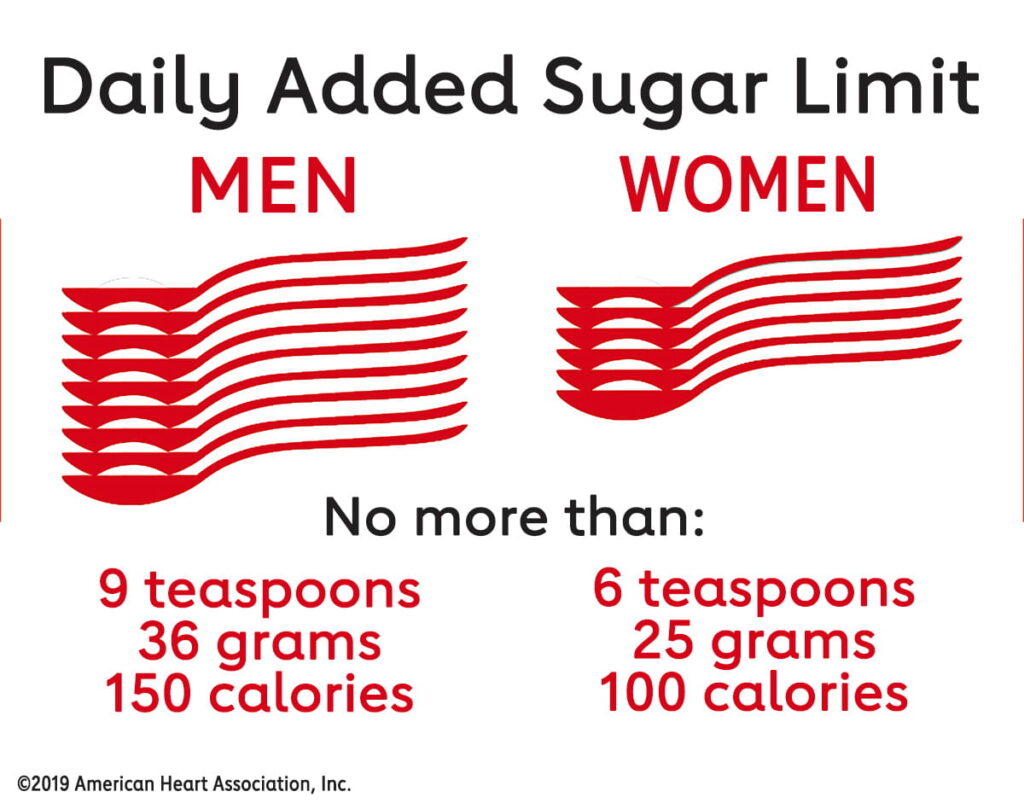
The AHA specifically recommends that women limit their intake of “added sugars” to no more than 100 calories per day, approximately 25 grams/day or 6 teaspoons. For men, the recommended limit is 150 calories per day, which translates to about 37.5 grams/day or 9 teaspoons. [2]
Note : “Added sugars”= include monosaccharides and disaccharides like syrups for instance put in foods during preparation or processing.
We underline also here that these guidelines are primarily aimed at disease prevention, not necessarily at metabolic optimization… So it can surely even be improved.
To illustrate, here are some examples of “healthy” foods that you might consume which can easily exceed these limits:
A 250 ml organic “healthy” smoothie can contain more than 25 grams of added sugar.
A standard 50g energy or protein bar can contain more than 25 grams of added sugar.
A serving of 80g of organic granola or muesli can contains over 20 grams of added sugar.
A bowl of organic oat milk can contains more than 15 grams of added sugar.
However, this static recommendation does not account for total carbohydrate intake and the “dynamic” aspect of sugar metabolism.
A more comprehensive approach would also consider ALL carbohydrate intake and the body’s dynamic metabolic response to the total amount of sugar consumed.
That said, for a lot of people, without even considering the dynamic, their “static equation” is already wrong.
2. General Recommandations – “dynamic view”
The challenge of Sugar Roller-Coaster
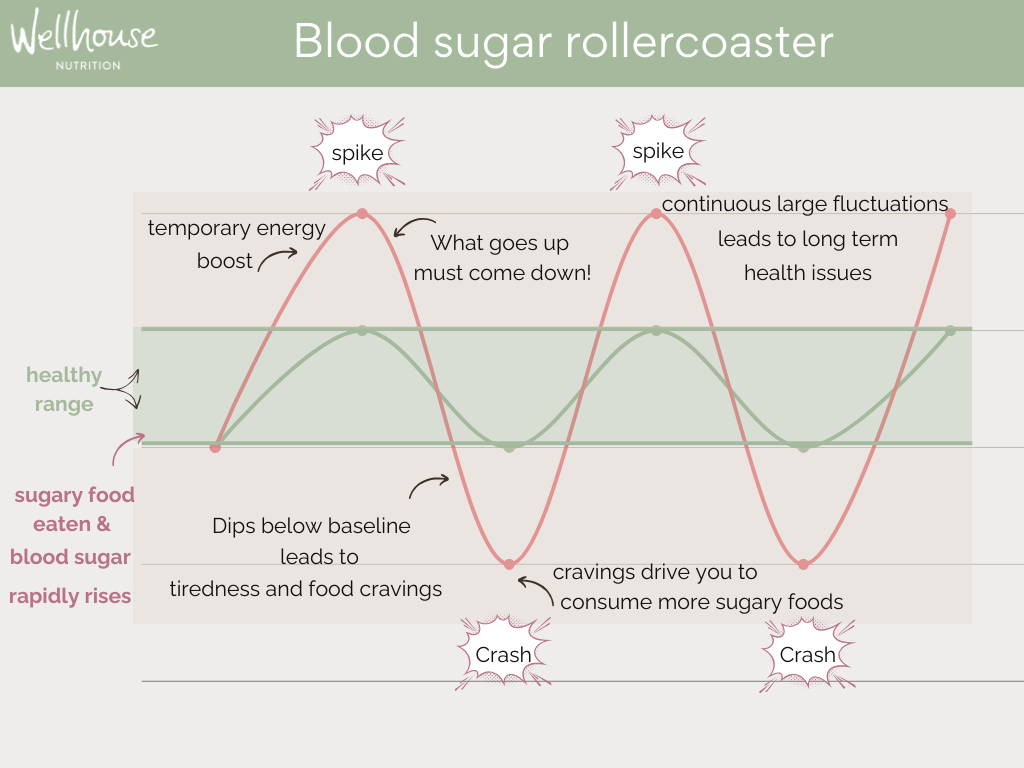
Many people experience what’s termed as ‘sugar rollercoaster’, where high sugar intake leads to sharp insulin spikes followed by crashes. This results in feelings of fatigue or hunger due to the temporary drop below normal blood sugar levels after an insulin spike.
The blood sugar rollercoaster is a cycle of rapid rises and falls in glucose levels caused by sugary food intake. It leads to temporary boosts in energy followed by crashes that foster further unhealthy eating habits. Thus, when you feel “hungry” and “tired”, especially +2H after your last meal, you are “sugar crashing”. The reality isn’t you are lacking of food or energy, it is an hormonal reaction that fools you.
Stabilizing blood sugar by consuming balanced meals that include proteins, fats, and complex carbohydrates can help avoid these drastic fluctuations and maintain better overall health and energy levels.
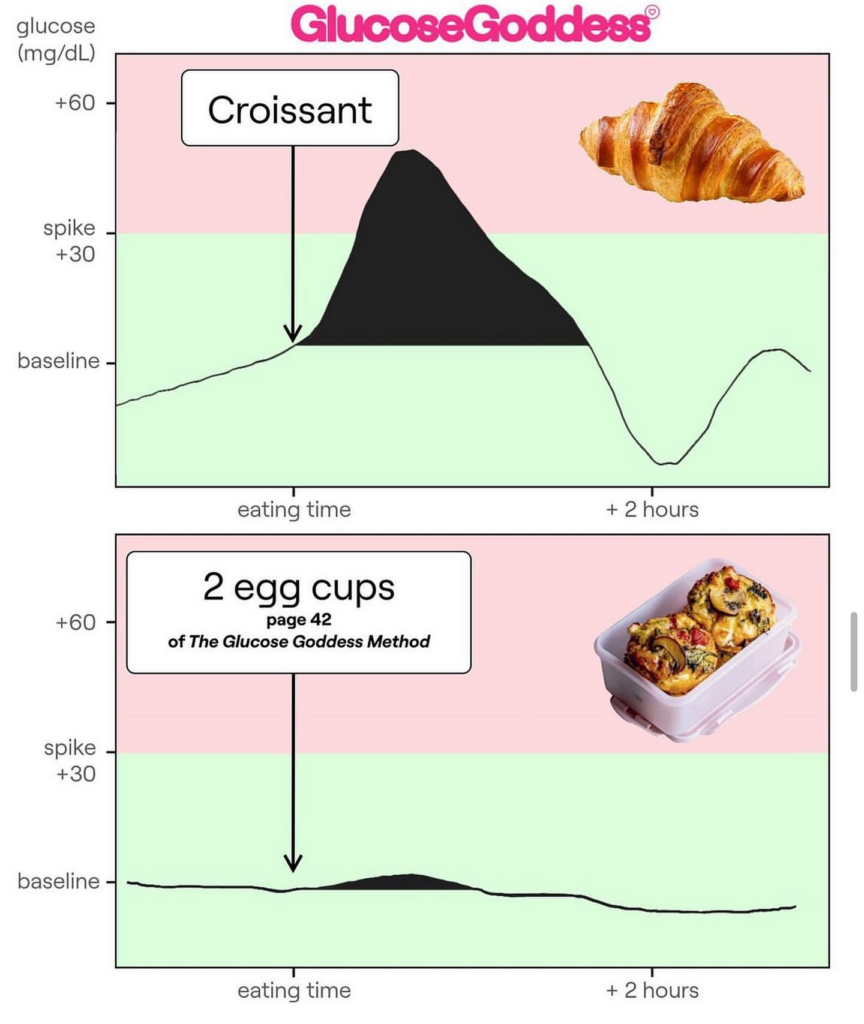
This illustration vividly captures the impact of different types of meals on blood sugar levels, highlighting 2 concepts : glucose spike toxicity AND the sugar roller coaster effect.
Croissant (High-Sugar Impact)
The graph shows a significant spike in glucose levels shortly after consuming a croissant. This is due to the high refined carbohydrate content, which rapidly converts into glucose in the bloodstream.
The sharp peak illustrates the glucose spike, which can stress the body’s metabolic regulation systems, particularly insulin response.
The subsequent sharp drop or “crash” after the spike can lead to feelings of fatigue, irritability, and cravings for more sugar, perpetuating a cycle of high and low blood sugar swings known as the “sugar roller coaster.“
Egg Cups (Stable, Low-Sugar Impact)
In contrast, the second graph shows a stable blood glucose level without significant spikes or drops. This stability helps maintain energy levels, reduces cravings, and supports overall metabolic health.
VIDEO RECAP Here is a video from Dr. Robert Lustig to explain you what you experience as a sugar roller coaster :
The key takeaway here is to understand two crucial points:
1-The total amount of sugar consumed throughout the day is significant, particularly the ‘added sugars.’
2-The phenomenon known as the ‘sugar roller coaster’ can be tricky. Consuming high amounts of sugar in a short period triggers a substantial insulin response, followed by a ‘sugar crash.’ This cycle often misinterprets body signals around two hours after eating, making us feel falsely hungry or in a state of ‘reactive hypoglycemia’ when we are not truly missing something. This leads to further sugar consumption, perpetuating the cycle.
Such chronic fluctuations contribute to long-term metabolic dysregulation and associated diseases related to blood glucose levels.
USEFUL TOOLS FOR BLOOD GLUCOSE MANAGEMENT
The Glycemic Index
When you eat food, you have to pay attention at which ones are most likely to trigger an “intense” insulin response for you.
But how do we know to differentiate the “bad” and the “good” food?
Well, you’ll be able to do that using a Glycemic Index (GI) table.
Indeed, the glycemic index (GI) is a scale that measures how quickly a food raises your blood sugar levels.
Foods with a high GI (like white bread or sugary drinks) cause rapid spikes in blood sugar, leading to energy crashes and increased hunger (”Sugar Roller coaster”).
On the other hand, low-GI foods (such as lentils or leafy greens) are digested more slowly, resulting in steadier blood sugar levels.
Examples:
High GI Foods: White bread, rice crackers, sugary cereals.
Low GI Foods: Oats, quinoa, apples, and most vegetables.
White bread vs. whole wheat bread: White bread, which is refined and lacks fiber, has a high GI and causes a significant spike in blood sugar. Whole wheat bread, rich in fiber, has a lower GI and is digested more slowly, stabilizing blood sugar levels.
Whole fruits vs. fruit juices/smoothies: Whole fruits, which are high in fiber, have a lower GI compared to fruit juices and smoothies because fiber slows the absorption of sugar. Juices and smoothies, even when homemade and without added sugar, can lead to significant glycemic spikes.
The importance of fiber: Fiber plays a crucial role in regulating blood sugar by slowing the absorption of sugar into the bloodstream. It is therefore important to prefer foods rich in fiber such as whole fruits and vegetables, legumes, and whole grains.
Understanding this index helps you make smarter dietary choices to avoid energy dips and long-term health issues.
You can use : https://glycemic-index.net/ to help you navigate the different food you should pick when you eat. (they have also an app)
Here is a thorough deep dive into the usefulness of the glycemic index:
Additional Note on the Glycemic Index
The Glycemic Index (GI) is a useful but simplistic tool that measures how foods impact blood sugar levels. It’s important to recognize its limitations, as it doesn’t account for all dietary complexities or the impact of industrially processed foods. For a more comprehensive approach, consider integrating the total carbohydrates and the insulin index, which provide a more detailed understanding but are more complex to manage.
Moreover, the most accurate way to understand food’s impact on your glucose levels is through real-time blood sugar tracking. This approach offers personalized insights into how your body responds to different foods.
For those interested in expanding their understanding beyond the GI, resources like Dr. Berg’s videos can offer deeper insights into the broader aspects of nutrition and metabolism. Remember, the GI is just a starting point for making informed dietary choices.
Continuous Glucose Monitoring (CGM)
You can also choose to “truly see” the real-time impact of sugar on your body.
The exact way your metabolism responds to a certain food actually depends more precisely on your genetic, gut microbiome and complex food combinations…so using only GI index can be limited and limiting in a sens.
To really be precise, it will be necessary to use a Continuous Glucose Monitor (CGM) – the premier measuring tool of the Glucose Goddess.
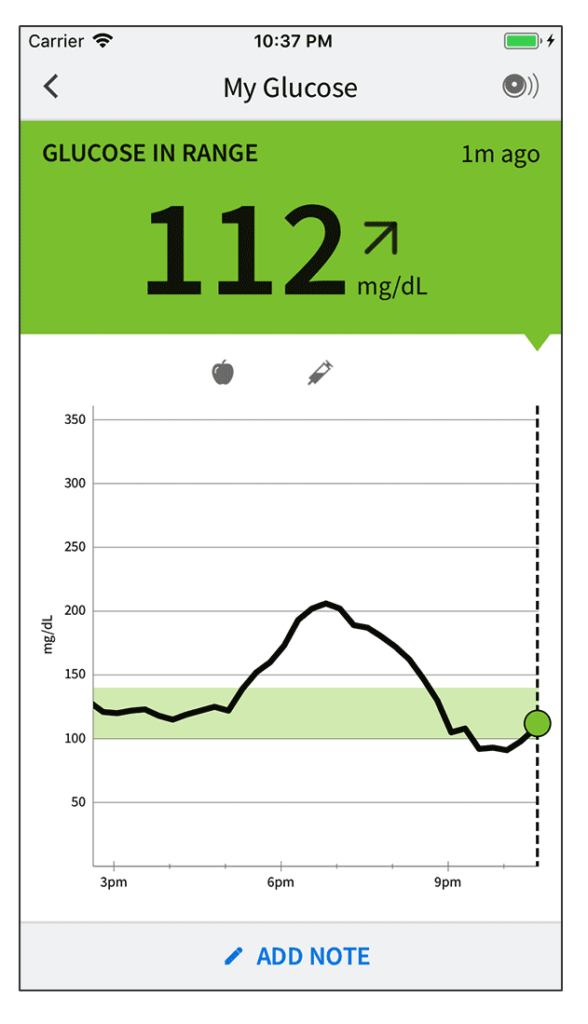
This device continuously and dynamically tracks the sugar levels in the blood (in mg/dL), allowing us to identify sugar spikes in the body.
One of the cheapest way to get onboard is to buy a Freestyle LibreLink and use their corresponding free app.
Product: Freestyle Libre 2
Features: Offers flash glucose monitoring with the ability to scan the sensor for glucose readings. It is also equipped with optional real-time alarms for low or high glucose levels.
CONSEQUENCES OF POOR SUGAR REGULATION
When your body struggles to effectively regulate blood sugar, the consequences can be severe and wide-ranging:
Insulin Resistance: Over time, high levels of glucose and insulin in the blood can lead to cells becoming less responsive to insulin. This results in continuously elevated blood sugar levels, a key feature of insulin resistance. [3]
Type 2 Diabetes: Continuous high blood sugar and ongoing insulin dysfunction can lead to the development of type 2 diabetes, characterized by chronic hyperglycemia and further insulin resistance. [3]
Chronic Inflammation: Elevated glucose levels can increase inflammatory markers throughout the body. Chronic inflammation is a contributing factor to a range of diseases, including cardiovascular diseases. [4]
Intracellular Toxicity: Excess glucose in the cells can lead to glycation, where sugar molecules damage proteins and lipids inside cells. This process accelerates cell aging and impairs cell function, contributing to the aging process and associated degenerative diseases. [5]
Weight Gain: Poor sugar regulation often leads to increased fat storage and weight gain, as the body converts excess glucose into fat.[6]
Brain Fog: High blood sugar can affect cognitive function, leading to difficulties in concentration and memory, often referred to as “brain fog.”[7]
Alzheimer’s Disease: Often termed “type 3 diabetes,” Alzheimer’s has been linked to the effects of chronic high blood sugar on brain function, including insulin resistance in the brain that affects its cognitive and memory functions. [8]
Chronic poor management of blood sugar not only affects metabolic health but also has profound implications for overall longevity and quality of life, underscoring the importance of maintaining balanced blood sugar levels for long-term health and well-being.
GET INTO HACKTION !
Strategies for Effective Sugar Management
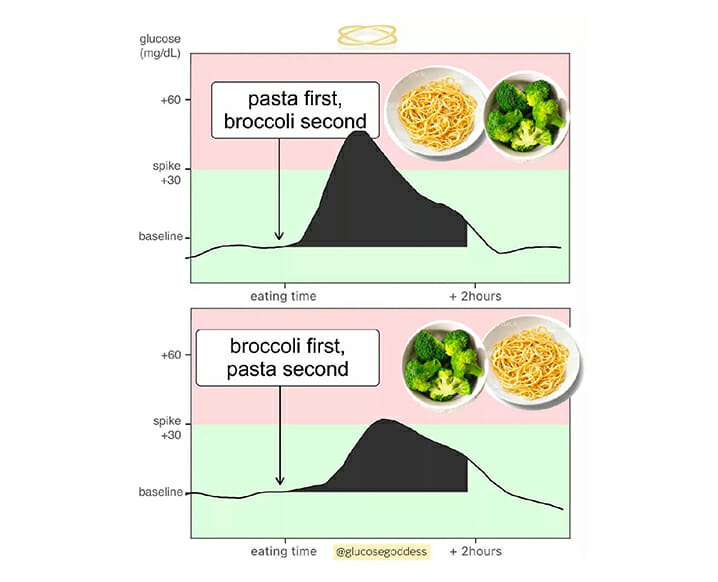
Eating Order : Consuming food in a specific sequence—starting with fibers (vegetables), then proteins, and lastly sugarS— mitigates the impact of sugar on blood sugar levels.
2. Dietary Choices: Opt for low-glycemic foods that cause less abrupt blood sugar changes. Understand the type and quantity of sugars and how different sugars interact with your body reading the nutritional labels or just paying attention to the GI table given in ressources. Also, the way you cook your food can triggers different reation. Be cautious with grilling and roasting.
You can use : https://glycemic-index.net/ to help you navigate the different food you should pick when you eat. (they have also an app)
3. Read the nutritional labels : discard products that contains above 25g of sugars. It is your whole daily amount of sugar [Ref. AHA] Pay attention to the total amount of carbohydrates.
4. Use of Herbs and Spices: When you cook you can naturally use “friendly” herbs and spices know to increase insulin sensitivity. Examples :
Garlic: Garlic has been shown to have blood glucose regulating and insulin-modulating effects. Regular garlic consumption can help lower fasting blood glucose, which is beneficial for those looking to improve their insulin sensitivity.
Oregano: This herb contains polyphenols and flavonoids that have been found to improve insulin sensitivity by mimicking the actions of insulin and helping to transport glucose into the cells more effectively.
5. Use extra supplements : Natural supplements like apple cider vinegar, berberine, cinnamon, and others can help reduce blood sugar levels, offering a supportive measure to dietary adjustments.
6. Physical Activity: Engaging in mild physical activity post-meals, such as walking or simple muscle contractions (soleus push-up or squats), can help utilize glucose effectively, reducing its concentration in the bloodstream.
7. Education and Awareness: Recognizing false hunger signals can free individuals from emotional eating and contribute to better metabolic balance.
8. Monitor Your Body’s Response: Pay attention to how different foods affect your energy and fullness to better understand your personal insulin sensitivity and glycemic load balance.
Adjusting your diet doesn’t have to be drastic. Small, consistent changes can lead to significant health benefits.
GOING FURTHER…
9. Blood Tests: Regular blood tests can help track glucose levels and identify patterns in your blood sugar levels.
10. Continuous Glucose Monitoring (CGM): Utilize a CGM device to get real-time feedback on how different foods and activities affect your blood sugar levels.
11. Glucose Goddess Method: Explore more hacks and insights from Glucose Goddess for insights into personal glucose management through targeted dietary adjustments.
EPISODE PODCAST
#EPISODE_The Sugar Impact: Unpacking the Low Glycemic Approach
CONCLUSION
By integrating strategic dietary practices, physical activity, and a deeper understanding of the body’s response to sugar, individuals can significantly enhance their metabolic health.
This not only improves daily energy levels and mood but also reduces the risk of developing chronic conditions associated with poor sugar management.
Proactive health management through informed dietary choices and lifestyle changes can lead to lasting improvements in both health span and life span.
F.A.Q
How to Know if Your Glucose Levels Are Dysregulated?
If you experience one or more of the following symptoms, it’s possible that your blood sugar is dysregulated:
Extreme hunger pangs during the day
Irritability or anger when hungry, known as being “hangry”
The need to eat every few hours
Shaking, lightheadedness, or dizziness if meals are delayed
Frequent cravings for sweets
Sleepiness in the late morning or afternoon, or general fatigue throughout the day
Relying on caffeine to get through the day
Difficulty sleeping or waking up with heart palpitations
Energy drops accompanied by sweating or nausea
Acne, inflammation, or other skin conditions
Anxiety, depression, or mood disorders
Brain fog
Is Sugar Always Bad?
Not all sugars are created equal. Natural sugars found in fruits and vegetables are usually accompanied by fibers and nutrients, which slow their absorption.
However, added sugars and refined sugars found in processed foods are quickly absorbed and cause significant glucose spikes. It is essential to limit the consumption of these sugars.
Why Are Glucose Spikes Bad for Health?
Repeated glucose spikes can lead to numerous long-term health issues, including:
Mental Health Issues: Blood sugar fluctuations can affect mood, energy, and focus, contributing to anxiety, depression, and brain fog
Chronic Inflammation: Excess glucose in the blood can damage blood vessels and tissues, causing inflammation that contributes to various diseases.
Insulin Resistance: When the body is continually exposed to glucose spikes, cells become less sensitive to insulin, the hormone that regulates blood sugar. This can lead to type 2 diabetes.
Heart Diseases: Glucose spikes increase the risk of heart diseases by contributing to the buildup of plaque in the arteries.
Accelerated Aging: Glycation, a process in which glucose binds to proteins, accelerates aging and contributes to problems such as wrinkles, cataracts, and collagen loss.
Are Artificial Sweeteners a Good Alternative to Sugar?
Artificial sweeteners might seem like a good alternative to sugar, but they can have negative health effects, including disrupting the balance of the intestinal microbiome and increasing sugar cravings. It’s better to limit their consumption and prefer natural sugars in small amounts.
You could use : Stevia, Monk Fruit, Xylitol, Erythritol.
How Can I Flatten My Glucose Curves?
There are several effective ways to flatten your glucose curves and improve your metabolic health:
Use Apple Cider Vinegar: Drinking a bit of diluted apple cider vinegar before meals can help reduce glucose spikes.
Change Eating Order: Start your meals with fibers (vegetables), followed by proteins, and lastly carbohydrates. This slows down glucose absorption.
Add a ‘Green Starter’ to Your Meals: Consume a small salad or green vegetables before your main meal to slow down the digestion of carbohydrates.
Opt for Low Glycemic Index Foods: Choose foods that slowly raise blood sugar, such as whole grains, legumes, and most fruits and vegetables.
Exercise After Meals: Moderate physical activity after meals helps muscles absorb glucose and reduce blood sugar spikes.
Blood test I can do to check my blood glucose levels ?
Key Biomarkers for Optimal Glucose Homeostasis
An effective method to ensure that your sugar intake is within healthy limits is to undergo a blood test and review the results.
Fasting Blood Glucose (FBG)
Function: Reflects glucose levels in the plasma, indicative of dietary glucose intake, glycogen breakdown in liver and muscles, and glucose produced by gluconeogenesis.
Normal Range: 4-6 mmol/L
Optimal Range: 4.0-5.3 mmol/L
Recommended by Life Extension Foundation: 4.0-4.7 mmol/L
Understanding the Values: Values within the optimal range indicate well-regulated blood glucose levels. Values consistently above this range may suggest insulin resistance, stress responses, or other health issues affecting glucose metabolism.
Glycated Hemoglobin (HbA1c)
Function: Shows the average blood sugar levels over the past 2-3 months by measuring glucose bound to hemoglobin.
Normal Range: 20-42 mmol/mol or 4.0%-6.0%
Optimal Range: 20-34 mmol/mol or 4.0%-5.3%
Understanding the Values: Lower values within the optimal range suggest good long-term glucose control, reducing risks for diabetes complications. High values indicate potential chronic hyperglycemia, necessitating adjustments in diet or medication.
Fasting Insulin
Function: Measures baseline insulin secretion in response to fasting glucose levels.
Reference Range: 2.0-20 mIU/L
Understanding the Values: Optimal fasting insulin levels should be low within the reference range, indicating efficient insulin sensitivity and metabolic health. High levels suggest that the body might be compensating for increased glucose levels by producing more insulin, a warning sign of developing insulin resistance.
REFERENCES
[1] John Yudkin was a British physician and nutritionist active in the 1960s and 1970s. He is best known for his research on sugar and metabolic diseases. Yudkin was one of the first to warn about the dangers of excessive sugar consumption and its effects on health, particularly concerning diabetes and heart disease.
[5][6] Glucose Revolution: The life-changing power of balancing your blood sugar ,Inchauspe, Jessie[7] The “sweet” effect: Comparative assessments of dietary sugars on cognitive performancehttps://pubmed.ncbi.nlm.nih.gov/29225094/[8] Alzheimer’s disease is type 3 diabetes-evidence reviewedhttps://pubmed.ncbi.nlm.nih.gov/19885299