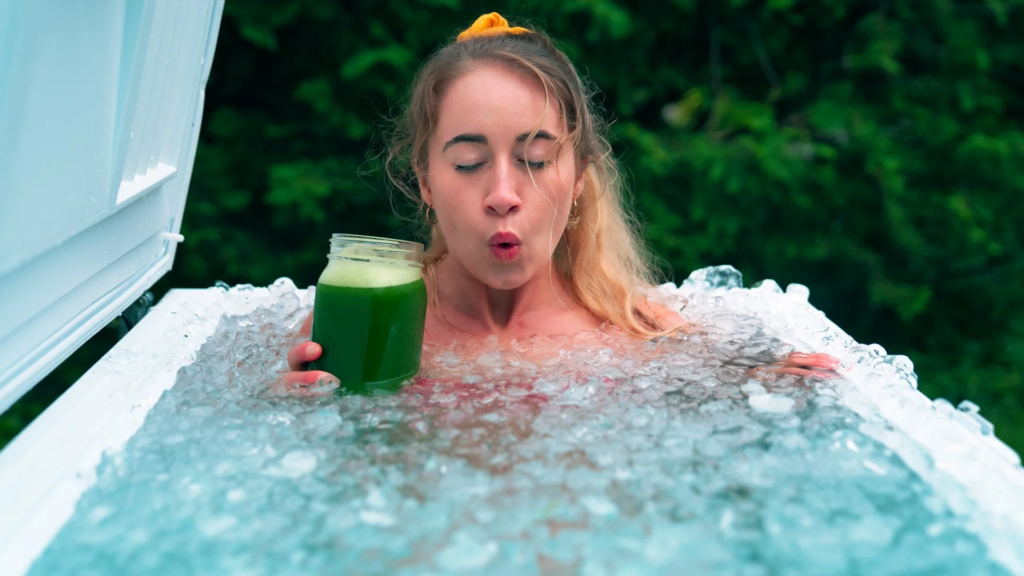
Cold exposure, an effective and underutilized biohack, enhances resilience, accelerates muscle recovery, and boosts immunity. Discover how to integrate this practice to improve mental clarity and vitality.
Why this matter for you ?
Used by athletes, top performers or even people with chronic health conditions to optimize metabolism, performance and recovery, cold exposure is accessible to everyone and beneficial for strengthening both body and mind.
Indeed, studies show that cold exposure activates brown fat, reduces inflammation, increases norepinephrine/dopamine levels and immunity.
Common Challenges
Many abandon cold exposure due to the initial shock of cold water, but gradual acclimatization can help overcome this barrier.
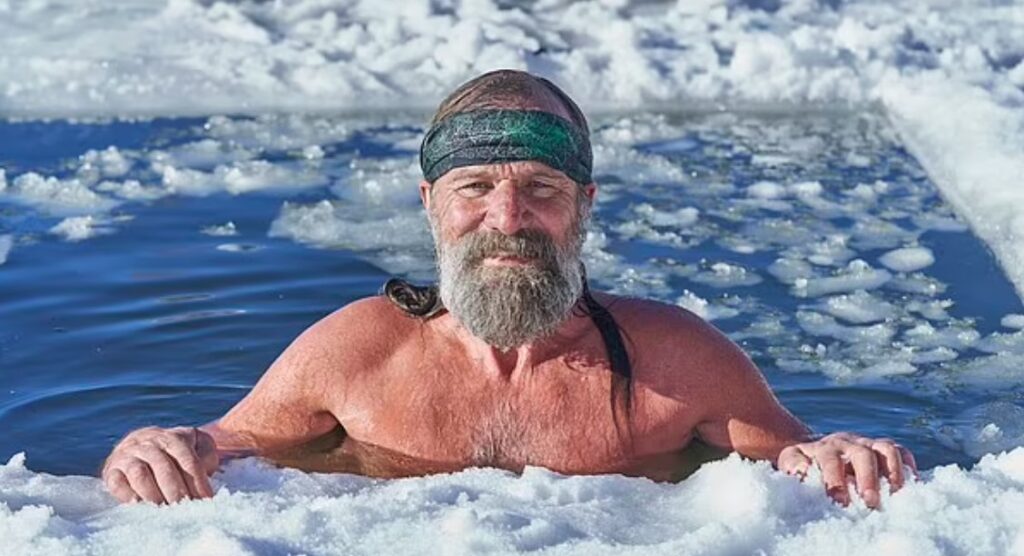
“Cold is an excellent teacher.” – Wim Hof
Some Interesting Facts
📉 Depression and Anxiety: Cold water immersion (10-15°C for 2-5 minutes) can significantly reduce symptoms of depression and anxiety, enhancing vigor and alertness. [1]
⚡ Metabolism and Brown Fat Activation: Regular cold exposure activates brown fat, increasing metabolism and aiding in fat burning. [2]
🏋️Elite Athlete Recovery: Many top athletes incorporate cold therapy into their recovery routines to reduce soreness and prepare for their next performance. [3]
Some Quick Video Recap For You :
Having a CWI (Cold Water Immersion) boosts your dopamine Levels by 250% !!
Listen to the cocaine analogy proposed by Dr Huberman.
Cold exposure benefits explained by Siim Land.
How cold exposure impacts YOUR health ? (credits: @doctorjanine)
Remember, the ice bath is also a tool to help you connect more deeply with yourself while regenerating your brain chemistry.
How to get into HACKTION ?
Practical Instructions – Cold exposure training phases
MAIN IDEA : Start with facial exposure or short cold showers and gradually increase duration and frequency.
Trigeminal and Vagal Nerve Activation:
Place your hands and/or face in cold water for 20-30 seconds.
Start with your hands to assess how you feel.
Immersing your face activates the trigeminal nerve, which in turn stimulates the vagus nerve.
2. Cold Showers:
Alternate between warm and cold showers; finish your shower session with cold water, increasing the duration gradually each day.
Try contrast showers, alternating between warm and cold water (30 seconds each).
Occasionally, start your day with a cold shower without a warm one beforehand.
NOTE : Avoid overdoing it, especially if you are sleep-deprived or stressed upon waking.
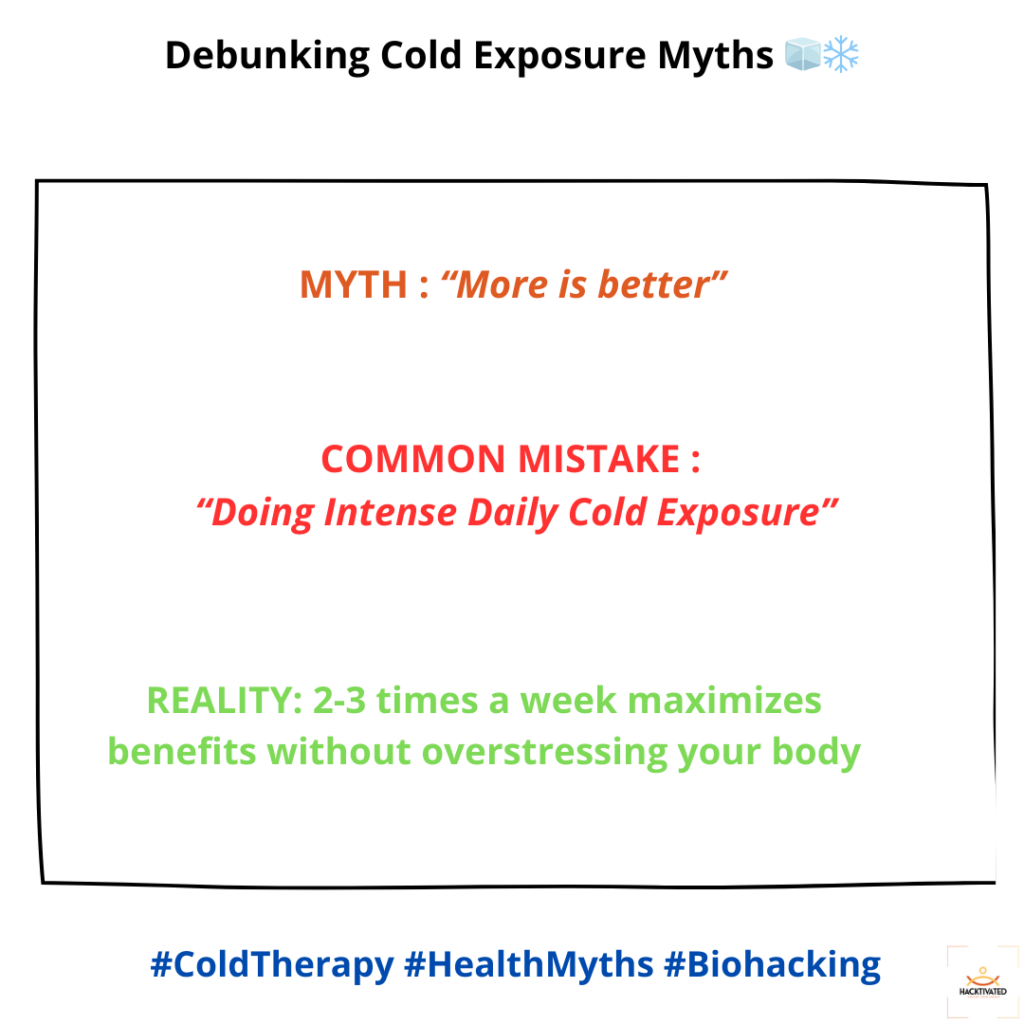
Gradually increase the duration and frequency of your sessions : => 3 minutes / 3 times a week at 13°C is a good starting point.
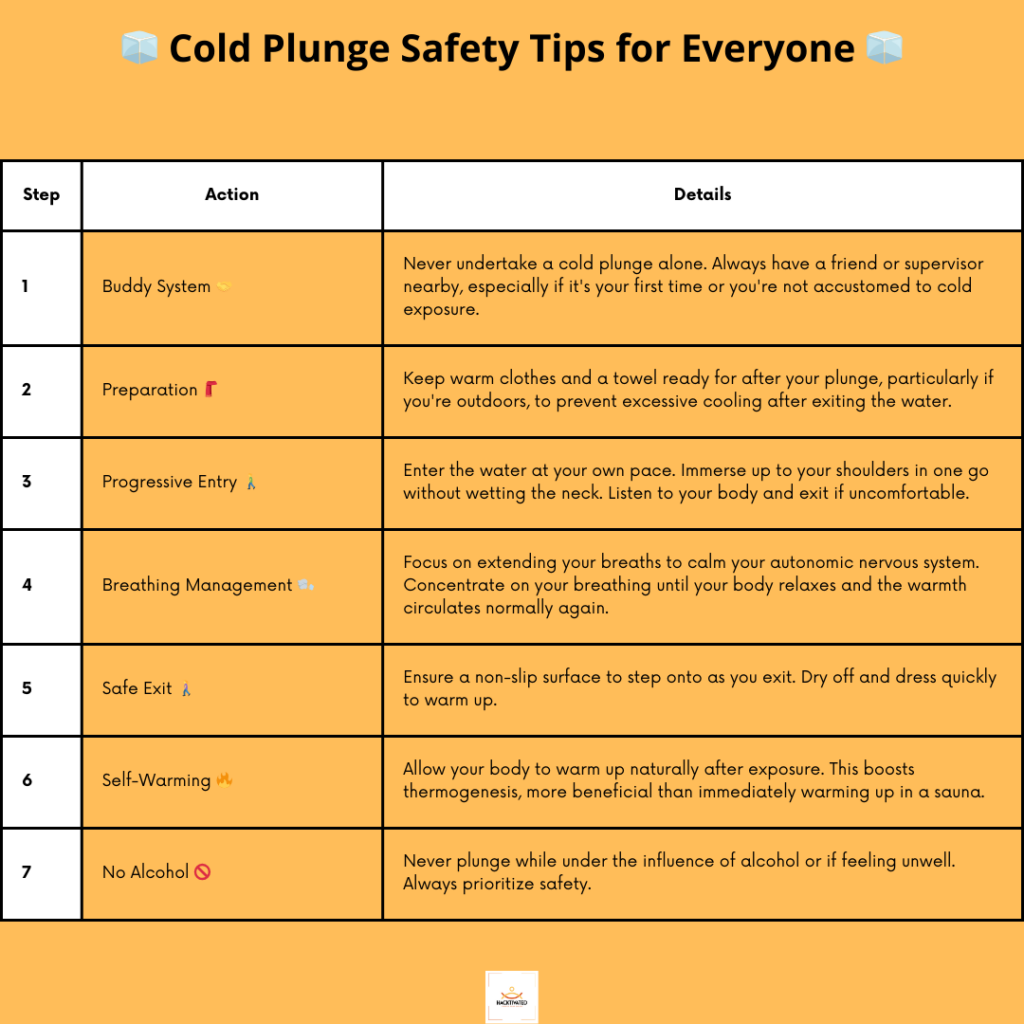
🧊 Cold Plunge Safety Tips for Everyone
Diving into cold water is exhilarating, but it’s crucial to prioritize safety and mindfulness. Here’s how to ensure a beneficial and safe cold plunge experience:
F.A.Q
What is the ideal temperature for cold exposure?
There is no one-size-fits-all temperature for cold exposure as it varies based on individual cold tolerance and goals. A good starting point is to take cold showers for a few minutes each day. Gradually, you can increase the duration and intensity of the exposure as you become more accustomed to the cold.
How long should I be exposed to the cold?
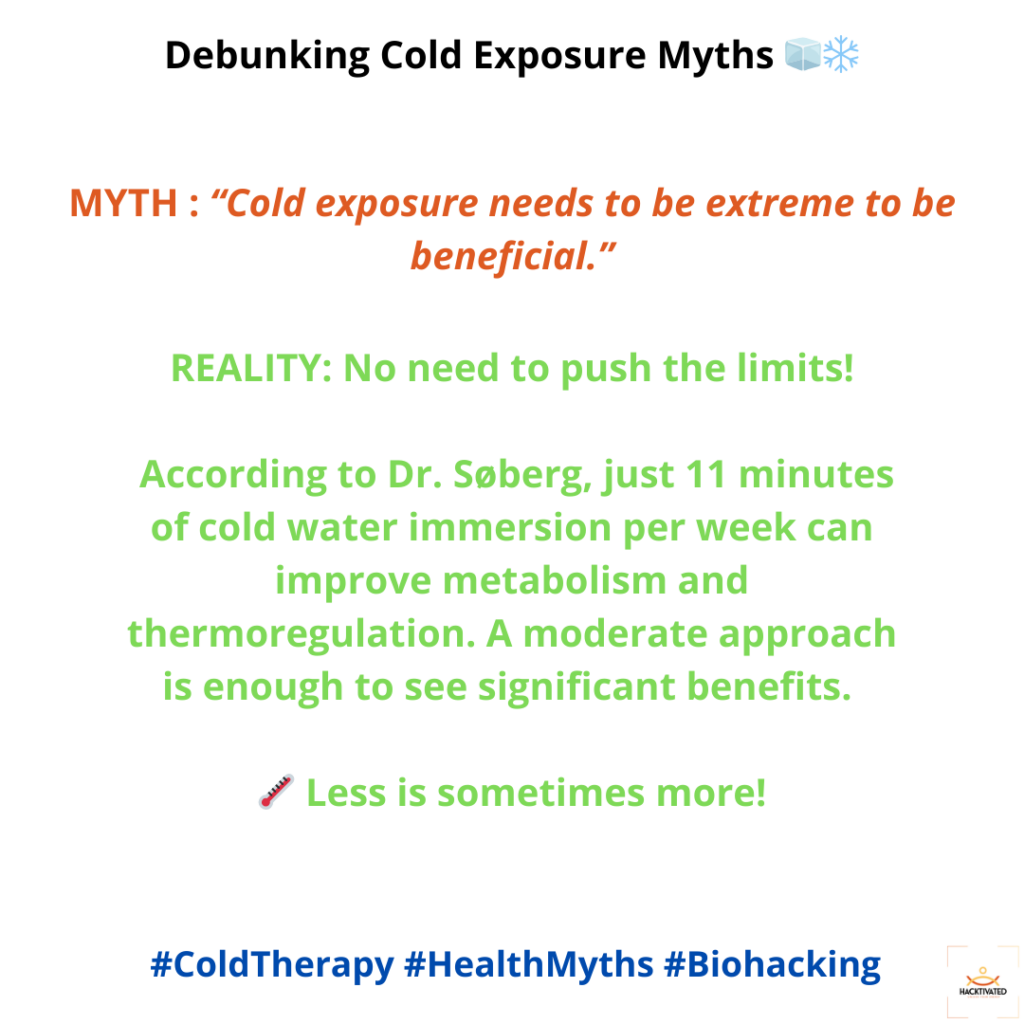
There is no ideal duration for cold exposure. Research suggests that 11 minutes of cold exposure per week can enhance insulin sensitivity and activate brown fat. This duration can be split into several shorter sessions throughout the week.
Are there any risks associated with cold exposure?
Cold exposure is generally safe for healthy individuals, but there are some risks to consider:
Hypothermia: Prolonged exposure to cold can lead to hypothermia, a potentially life-threatening condition.
Frostbite: Extreme (<3°C) cold exposure can cause frostbite, which can damage the skin and underlying tissues.
Cardiac Issues: Cold exposure can strain the heart. Individuals with heart conditions should consult their doctor before starting cold exposure.
Where can I find more information about cold exposure?
Are you looking to expand your knowledge and practice of cold exposure? Here are some steps to take your understanding to the next level:
Join the discussion: Stay engaged with this articles. Feel free to ask questions in the comment section and share your experiences.
Study the “Thermalist Method at Home”: Explore Dr. Soeberg’s course, available for Alea members. This method provides structured guidance on practicing cold exposure safely at home.
Explore the Wim Hof Method: Enroll in online courses or attend workshops to learn this renowned technique that combines cold exposure with specific breathing exercises to enhance vitality and health.
Try Tummo Yoga: Attend workshops that teach Tummo Yoga, an ancient practice that focuses on breath control and meditation alongside cold exposure to help you connect deeply with your inner strength.
These resources are designed to help you safely and effectively deepen your cold exposure practice, enhancing both physical and mental wellness.
Cold exposure needs to be extreme to be beneficial ?Is there any gender differences in cold exposure ?
If you ever wondered if men and women react differently to cold exposure let’s dive into what science says!
Did You Know? Women generally have more brown fat than men, which means they might feel the cold more acutely. Brown fat is good for thermoregulation because it helps to generate heat. So, ladies might get chilly quicker, but they’re efficiently warming up from the inside!
What Does This Mean for Cold Exposure Practices? Despite these differences, there is no conclusive evidence suggesting that men and women should follow different cold exposure protocols. Whether you’re a man or woman, the health benefits of activating your brown fat through cold exposure are significant for everyone.
Tips for Everyone Start with short, manageable cold exposures and gradually increase intensity. Pay attention to your body’s signals. Everyone’s tolerance and adaptation pace are unique. Consistency is key. Regular exposure can help enhance the metabolic benefits and increase cold tolerance over time.
👫 Whether male or female, exploring your personal limits and adapting the exposure to YOUR comfort level is essential.
The more exposure the better ?What is the best time of day for cold exposure?
The optimal time for cold exposure depends on your personal goals and sensitivity. Consider the following:
Morning: Cold exposure early in the day can increase alertness, improve mood, and boost metabolism due to the increased release of catecholamines such as norepinephrine and dopamine. However, it might disrupt the circadian rhythm of body temperature for some people, potentially affecting sleep quality later.
Afternoon: Midday or early afternoon cold exposure can provide similar benefits to morning exposure without potentially affecting sleep. It’s also a good time for post-exercise cold exposure to aid in recovery.
Evening: Late evening cold exposure is generally advised against as it can disrupt sleep by increasing core body temperature. The body naturally needs a decrease in core temperature to enter deep sleep.
Should cold exposure be practiced before or after exercise?
The timing of cold exposure relative to exercise depends on the type of exercise and your goals. Here are some general guidelines:
Before Exercise: Cold exposure before exercising can increase alertness and arousal. However, it may reduce performance in exercises that require power and speed.
After Exercise: Cold exposure post-exercise can aid in recovery by reducing inflammation and muscle soreness. This is particularly beneficial after high-intensity or long-duration workouts. However, some studies suggest that immediate cold exposure after strength training may inhibit muscle growth. If muscle hypertrophy is your primary goal, consider delaying cold exposure for several hours after your workout.