Mastering Your Inner Rhythm: A Comprehensive Guide to Heart Rate Variability (HRV)
TL;DR
Core Concept: Heart Rate Variability (HRV) measures the subtle, millisecond-by-millisecond variations in your heartbeats, providing a real-time snapshot of the balance between your body’s “fight-or-flight” (sympathetic) and “rest-and-digest” (parasympathetic) nervous systems. It’s your body’s inner resilience score and a key indicator of its ability to recover and adapt.
Significance: Low HRV is a powerful signal of stress, fatigue, and an increased risk of health issues like cardiovascular disease and illness, whereas high HRV indicates robust health, strong adaptability, and optimal readiness for physical and mental performance. It empowers you to proactively manage your health rather than just reacting to symptoms.
Challenges: Despite its utility, HRV often goes unmonitored due to historical complexities, a lack of understanding of its importance, and the pervasive nature of modern stressors (poor sleep, alcohol, trauma) that silently suppress it. Compliance with older measurement methods was also a hurdle.
Strong Fact: Alcohol consumption significantly compromises recovery as measured by HRV. For example, drinking before bed can lower drastically the quality of sleep, delivering less of true recovery from your body’s perspective. This highlights how daily habits profoundly impact your body’s core physiological balance.
Implementation Tips – Practical Guidelines (Shared below!) (Scroll down in the full article!)
OVERVIEW
Have you ever wondered if there’s a secret language your body speaks to tell you how well you’re truly doing, beyond just feeling tired or energetic? What if there was a daily “check engine light” that could warn you of stress, impending illness, or simply tell you if you’re ready to tackle that big workout or presentation? This isn’t science fiction; it’s Heart Rate Variability (HRV), and it’s a powerful, non-invasive biomarker that’s quickly becoming indispensable for anyone looking to optimize their health, performance, and longevity.
The opportunity with HRV is immense: it moves us beyond merely reacting to symptoms when something goes wrong and empowers us to proactively manage our well-being. Imagine a future where you consistently wake up feeling refreshed, your body is resilient to daily demands, and you have objective data to confirm that your health strategies are actually working. HRV offers this vision, allowing you to reach your fullest potential and maximize your daily performance, both physically and mentally.

What is Heart Rate Variability (HRV)?
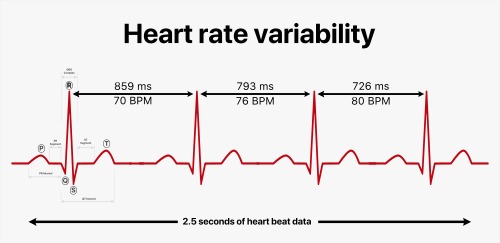
At its core, Heart Rate Variability (HRV) measures the variation in time between your heartbeats. While you might assume your heart beats like a metronome, precisely once per second if your heart rate is 60 beats per minute, that’s not actually the case. Your heart is “erratic” and constantly adjusting.
Think of it this way: the time between your first and second heartbeat might be 1,010 milliseconds, then 960 milliseconds between the second and third, and perhaps 1,027 milliseconds for the next interval. This subtle, millisecond-by-millisecond fluctuation is your heart rate variability.
A common way to calculate HRV is through the RMSSD (Root Mean Square of Successive Differences), which measures the time difference between each successive heartbeat (RR interval) and is reported in milliseconds.
Why Should You Care About HRV?
HRV is far more than just a number; it provides a crucial snapshot into how your body is balancing its two major command centers of the autonomic nervous system. These are:
- Sympathetic Nervous System: Known as the “fight-or-flight” system, it’s activated in times of stress. It floods your body with energy, increases heart rate, and slows down non-essential functions like digestion, preparing you for immediate action. When this system is highly engaged, your HRV goes down.
- Parasympathetic Nervous System: This is your “rest-and-digest” system, activated during recovery. It conserves energy, aids digestion, and slows your heart rate, allowing your body to relax and heal. When this system is in control, your HRV goes up.
A healthy nervous system exhibits a balanced but strong “push and pull” between these two systems, leading to high Heart Rate Variability. This variability indicates resilience and adaptability. Here’s why you should care:
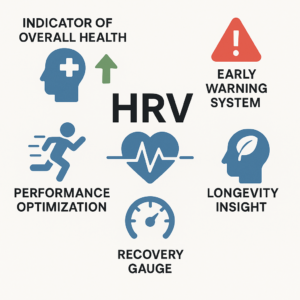
- Indicator of Overall Health and Stress Response: HRV offers insights into your physical and emotional resilience. Increased HRV is associated with positive health outcomes, while decreased HRV signals stress, illness, or a reduced capacity to adapt.
- Early Warning System: Lower HRV is linked to chronic stress, fatigue, and potential cardiovascular issues, emphasizing the importance of proactive health management. It can even predict illness, such as the flu or COVID-19, days before symptoms become apparent.
- Performance Optimization: For athletes and high-performers, HRV analytics indicate readiness for performance, helping to tailor training programs based on physiological status and stress levels. This enhances performance and can reduce injury risk.
- Recovery Gauge: HRV is a valuable metric for monitoring recovery from workouts, daily stressors, and even demanding work periods like travel. Understanding your HRV helps you make conscious decisions about when to push harder and when to prioritize rest.
- Longevity Insight: Tracking HRV trends over time can provide an indication of your overall health trajectory and highlight areas for intervention to promote a longer, healthier life. As HRV naturally declines with age, efforts to maintain or improve it become crucial for “medicine 2.0” – focusing on optimizing health rather than just treating disease.
Common Challenges
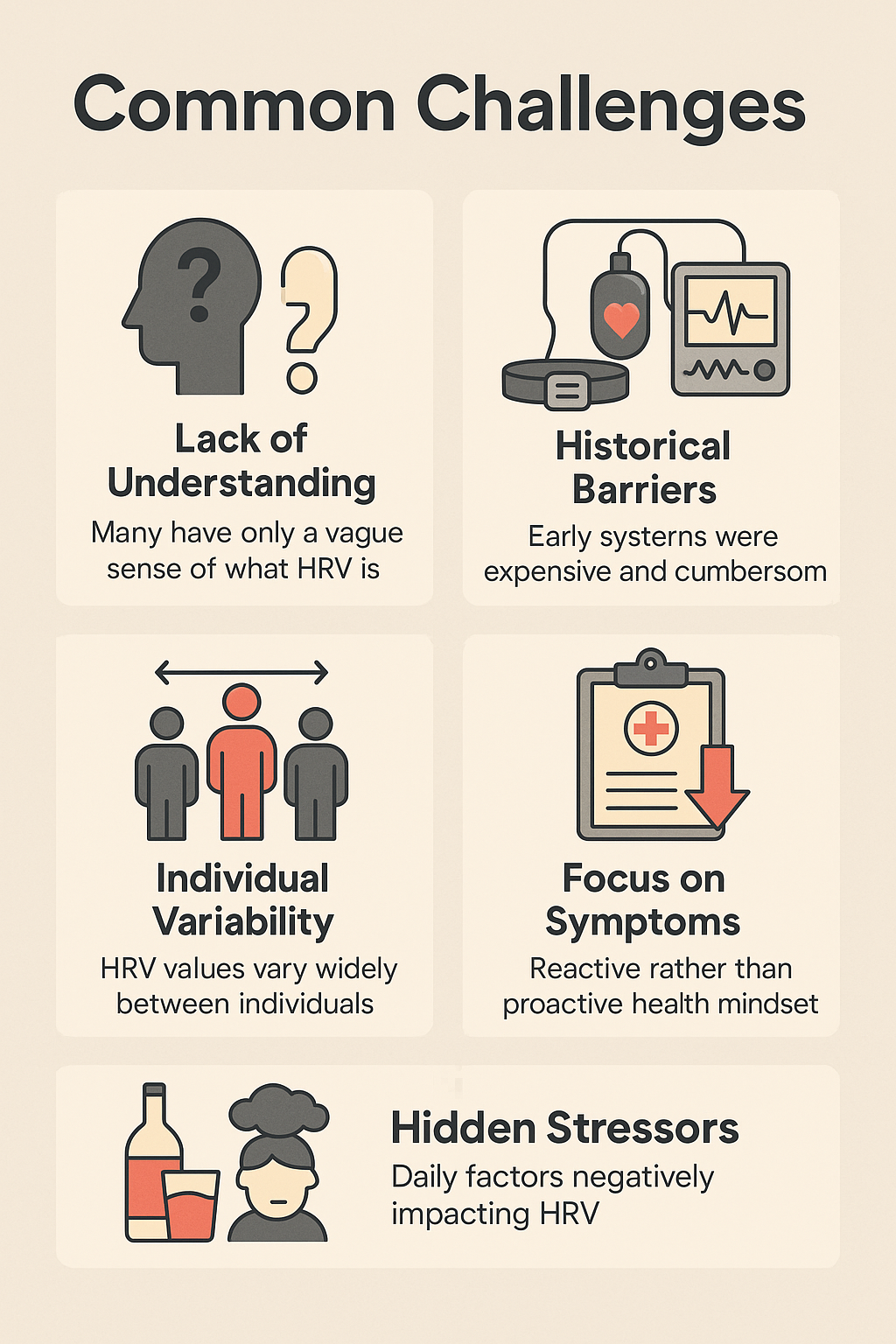
Despite its profound benefits, HRV monitoring and its potential solutions are often underutilized, and the problem of chronic stress and poor recovery persists for several reasons:
- Lack of Understanding: Many people have only a vague sense of what HRV is, failing to grasp its deeper significance and how to effectively use the data it provides.
- Historical Barriers: In the past, HRV measurement systems were often expensive (e.g., $35,000 systems 20 years ago) and required complex equipment like electrodes, making them inaccessible to the average person. And Early wearable technology required active engagement, such as waking up, attaching a chest strap, and sitting still for several minutes to get a reading. This was often inconvenient, leading to poor compliance.
- Individual Variability: HRV is not a “one-size-fits-all” metric. Normative values vary significantly by age, gender, health status, and even genetics. This means you can’t simply compare your number to someone else’s, requiring a more personalized approach and the development of individual benchmarks.
- Focus on Symptoms vs. Proactive Health Mindset: Conventional medicine often operates from a “0 to minus 10” model, focusing on alleviating symptoms once illness strikes. The concept of “thriving” and proactive health optimization (“0 to 10”) is still an emerging paradigm for many.
- Hidden External/Internal Stressors: Many daily stressors—such as poor sleep quality, alcohol consumption, and even underlying emotional trauma—negatively impact HRV without people fully realizing the extent of the physiological toll.
Hard Facts to Motivate You (Science-Based)
The science behind HRV provides compelling reasons to pay attention to this vital metric:
- Autonomic Nervous System Control: HRV is directly influenced by the autonomic nervous system (ANS), which operates largely unconsciously. When your sympathetic (fight-or-flight) system is “revved up,” your heart rate speeds up, and there’s less variability between beats, causing HRV to drop. Conversely, when your parasympathetic (rest-and-digest) system is dominant and your body is relaxing, your heart rate slows down, leading to more variability and a higher HRV. This fundamental mechanism makes HRV a direct window into your body’s stress response and recovery capacity. [1]
- Alcohol’s Detrimental Impact: Even moderate evening alcohol consumption can drastically impair your body’s ability to recover. Research shows that while alcohol may help you fall asleep faster, it disrupts deep restorative sleep and fragments REM sleep during the second half of the night — the most critical window for recovery. In controlled studies, alcohol suppressed the brain’s sleep homeostasis mechanisms, reducing NREM delta wave activity — the very signal of deep, restorative sleep — by over 65% during recovery sleep. Whoop data shows also that a clear linear relationship: for every additional drink, resting heart rate increases by an average of 1.3 bpm, heart rate variability drops by 2.4 ms, and recovery score declines by 4.2%. The more you drink, the more your nervous system is pushed into imbalance — and your recovery suffers. [2][3]
- Aging and HRV: It’s a physiological fact that HRV generally declines with age. However, this isn’t an inevitable decline into poor health; studies indicate that consistent fitness and healthy lifestyle factors can significantly mitigate this age-related reduction, allowing individuals to maintain higher HRV into older age. [4]
- Predicting Performance and Illness: HRV has been used with remarkable accuracy in elite settings . [5] For instance, coaches at Ohio State University’s wrestling program found that they could predict with high confidence which athletes would achieve All-American status at national tournaments based on their morning HRV readings.[8] Similarly, drops in HRV have been observed to signal the onset of illnesses like the flu or even COVID-19 up to two days before physical symptoms appear, providing a crucial head start for intervention.
- Trauma’s Lasting Mark: Early childhood events and unresolved psychological trauma can have a profound, long-term impact on your autonomic nervous system. Such experiences can lead to chronically elevated sympathetic responses (hypervigilance) and dramatically lower RMSSD scores in HRV, even years later. This highlights the deep connection between mental well-being and physiological function. [6]
- Cardiovascular Health Link: Consistently low HRV is strongly associated with increased risk of cardiovascular disease, morbidity, and overall mortality. Monitoring HRV can provide an early indicator of potential issues, long before traditional symptoms like chest pain or shortness of breath might appear, allowing for proactive health interventions. [7]
These facts underscore that HRV is not merely a trendy metric but a scientifically validated window into your body’s inner workings, offering powerful insights for health and performance optimization.
INTERESTING VIDEOS TO WATCH
(Dr BERG) HRV technology gives you a behind-the-scenes look at where you are with your health.
HOW TO GET INTO HACKTION?

Practical Instructions
Integrating HRV into your life doesn’t require a medical degree or complex lab equipment anymore. Here’s how you can start using this powerful biomarker to your advantage:
- Assess your HRV score (avg) thanks to your wearable and spot yourself
→ Use the previous article : https://health.alea.com/whoop-as-your-health-compass-decode-your-scores-elevate-your-life/ / Part 2 “HRV” - Determine Your Personal Objective
→ Use the previous article : https://health.alea.com/whoop-as-your-health-compass-decode-your-scores-elevate-your-life/ / Part 2 “HRV”
3. Take Hacktion
Step-by-Step Action Guide:
Behavioral/Environmental Adjustments (Core foundations & Easy Wins):
Once you start measuring, you’ll gain insights into how your daily habits impact your HRV. Here are some “easy wins”:
- Prioritize Sleep Quality:
HRV is heavily influenced by sleep. Aim to “sleep in a cave”:
* make your bedroom cold (<22°C), dark, and quiet.
* Avoid alcohol before bed, as it can significantly reduce sleep quality and HRV, even if you get ample hours of sleep.
* Techniques like mouth taping and using nasal dilators can improve nasal breathing during sleep, enhancing recovery.
* Stop eating at least 4 hours before bed.
* Pay attention to external noises, you want to sleep in a quiet environment. Consider earplugs or devices as QUIETON.
- Fuel Your Body Wisely:
Focus on a diet rich in nutrient-dense foods (discussed already here : anti-inflammatory diet), paying attention to micronutrients. Also, managing your intake of omega-6 fatty acids and increasing omega-3s can support the resolution of inflammation, which positively impacts HRV.
Maintain a healthy BMI (<25).
- Embrace Consistent Movement:
Regular physical activity, even moderate, can improve HRV. Aim for 7,000 to 12,000 steps per day to lower your risk of physical injury and improve cardiovascular health and overall longevity. This isn’t about extreme workouts initially but consistent, joyful movement.
- Optimize Light Exposure:
Treat light as a nutrient: prioritize natural sunlight exposure during the day, and consider using red light therapy—or even the NeuroVizr—to help resynchronize your circadian rhythms.
Crucially, minimize exposure to blue light from screens (phones, tablets, computers) in the hours before bed, as this can disrupt your circadian rhythm and negatively affect sleep and HRV. (remember the article on blue light blockers)
- Confront Stress Head-On:
HRV will reflect your stress levels. Use it as a feedback mechanism to identify periods of high stress. When your HRV is low, it’s a signal to “step on the brake” (activate your parasympathetic system). This could involve taking breaks, engaging in calming activities, or addressing underlying psychological stressors.
Routine or Habit Changes (Deeper Strategies for Optimization):
For those ready to dive deeper, beyond quick fixes, consistent shifts in routine can yield long-term benefits:
- Conscious Breathing Practices:
Learning to breathe effectively is a powerful way to influence your HRV.
* Focus on nasal breathing, diaphragmatic (belly) breathing, and longer exhales.
Simple practices like box breathing (4 seconds inhale, 4 hold, 4 exhale, 4 hold) or the 4-7-8 breathing technique (4 seconds inhale, 7 hold, 8 exhale) can quickly activate your parasympathetic system and increase HRV.
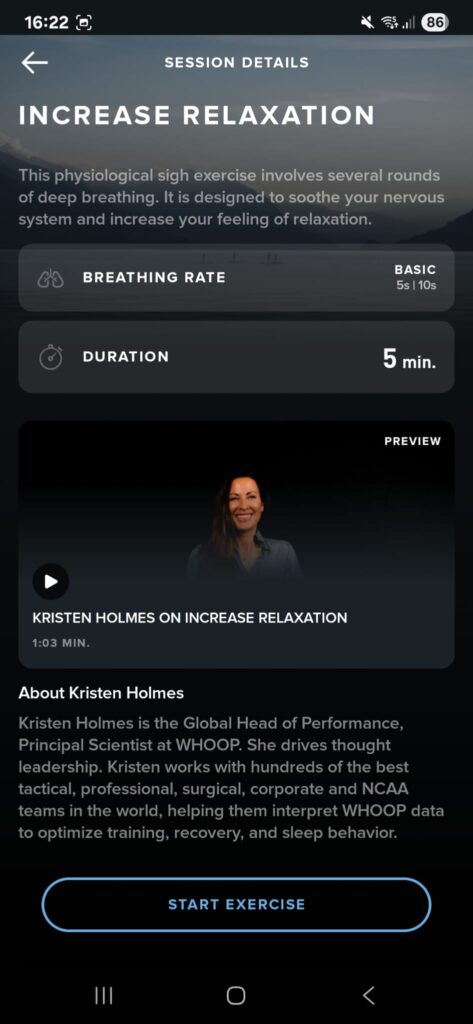
*You have also a breathing exercise you can run through your Whoop app directly => stress monitor section.
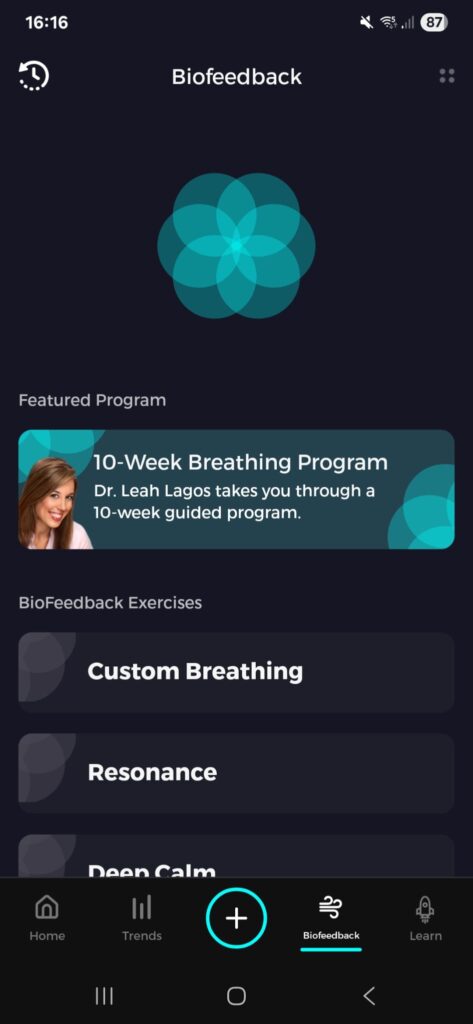
*You can also have access to : a 10 WEEK BREATHING PROGRAM with Dr LEAH LAGOS for FREE.
You need to download the “EliteHRV” app then go to biofeedback and follow the sessions.
*You can also start the Wim Hof breathwork.
- Consider Targeted Supplementation:
Products like HRV Plus by Mode Method are designed to directly support HRV. This supplement combines cannabinoids (CBDA), terpenes (beta-caryophyllene), and omega-3 fats, aiming to reduce inflammation and optimize the endocannabinoid system, which is crucial for stress response and recovery.
You can also use, adpatogenic plants like like rodhiola, Aswaghandha that tends to help you slow down your nervous system and “sleep optimizers” type of supplementation. - Vagus Nerve Stimulation (VNS):
Non-invasive transcutaneous VNS devices (like Pulsetto, Sensate, Apolllo Neuro) can stimulate the vagus nerve, influencing brain areas related to sleep, mood, emotion, and memory, and reducing inflammatory markers. - Cold & Heat Exposure :
Use sauna 4–7x/week to simulate cardio, support detox, and raise HRV and integrate cold exposure (cold showers, plunges) for hormetic stress activation.
You can consider to start the Wim HOF method to combine breathwork and cold exposure.
You can consider to follow the Dr Soeberg Protocol for contrast therapy.
- Red Light Therapy (Photobiomodulation):
Red and near-infrared light support HRV by reducing inflammation, boosting mitochondrial energy, and improving sleep. They also enhance blood flow and help regulate circadian rhythms—making red light a powerful ally for recovery and resilience. Devices from prasannhealth are effective options.
- Emotional Trauma :
Deep unconscious emotional traumas can be an underlying factor that limit your HRV increase.
Your nervous system is kept in a loop where a danger “still exist”. You can adress this through psycotherapy, psychanalysis, emotional work (EFT method, Holotropic type breathing, Indigenous Plants (cacao, ayahuasca, kambo), psychedelic combined with therapy). This is not exhaustive, it exists others methods.
TL;DR – Build Your HRV Protocol
| Category | Action |
|---|---|
| Track, Spot & Goal | Assess your HRV baseline with a wearable like Whoop. Spot yourself, establish a realistic goal. |
| Sleep | 7–8h/night, cold/dark/quiet, no food 4h before bed |
| Stress | Breathwork, nature, grounding, mindfulness, vagal stimulation |
| Movement | Daily steps + Zone 2 cardio, Yoga |
| Nutrition | Anti-inflammatory diet, stable glucose, good fats |
| Environment | Morning light + no blue light before sleep You can use a red light therapy device |
| Supplements | CBDA + omega-3s (optional), “sleep optimizers”, adoptegenic herbs |
| Tech (VNS) | Consider to buy and use non-invasive transcutaneous VNS devices (like Pulsetto, Sensate, Apolllo Neuro) to stimulate directly the vagus nerve. |
| Hormetic Stress | Consider Heat & cold exposure. |
| Hidden Stress | Heal your heart, shed some lights on deeper emotional issues that limit your life and your nervous system. |
| Avoid | Alcohol, overtraining, not adressing deep underlying emotional trauma |
AUTHOR’S NOTE
As you may have gathered from this article, Heart Rate Variability (HRV) is not just a performance metric—it’s a vital sign of your body’s ability to maintain balance. In the context of chronic illness, HRV becomes even more critical. A persistently low HRV often reflects underlying physiological stress, such as chronic inflammation, nervous system dysregulation, or hidden infections that prevent the body from returning to a state of homeostasis.
Over the years, even with an already optimized lifestyle, I’ve found three core practices that have consistently delivered the most impact on my HRV:
- Breathing practices before sleep—especially cardiac coherence—have had the most immediate effect in calming my nervous system. For those wanting to go deeper, I strongly recommend the WIM-HOF protocol or the 10-Week Breathing Program by Dr. Leah Lagos.
- Evening fasting, with my last meal taken at least six hours before bedtime, has consistently improved my HRV—likely by reducing the overnight metabolic load and supporting better recovery.
- Cold exposure, especially regular ice baths at home, has had a remarkable and sustained effect on my HRV, likely by boosting parasympathetic tone and resilience through hormetic adaptation.
- VO₂ Max Optimization, via regular cardiovascular training (especially Zone 2), has also played a crucial role. Improved aerobic fitness translates to greater vagal tone and HRV over time, making it one of the most reliable long-term levers.
Other practices like Yin Yoga in the late evening also help, and targeted supplementation aimed at calming the nervous system (e.g., sleep optimizers) has shown mild but noticeable benefit.
I’ve also experimented with various devices for vagus nerve stimulation. I used a medical-grade intra-auricular vagal stimulator for several months. While I believe such devices can be impactful—some friends have had positive results with Sensate, Pulsetto or the Apollo Neuro—I personally didn’t find a dramatic difference in daily well-being from regular use. That said, I had a more complex symptomatic landscape at the time, which could have influenced outcomes. These tools serve as useful add-ons, but in my experience, they haven’t yet earned a permanent place in my daily routine.
In summary, while there’s no one-size-fits-all approach, breathwork, cold exposure, VO₂ max training, and evening fasting remain the four pillars that have most effectively moved the needle on my HRV. Especially in the context of chronic health challenges, tracking HRV becomes a valuable ally—a mirror of your internal resilience, and a compass guiding you toward balance.
CONCLUSION
HRV is truly your human dashboard’s speedometer and check engine light. It’s a powerful, objective feedback tool that empowers you to decode your body’s signals and make informed decisions about your health and performance.
Embracing HRV monitoring isn’t about adding another task to your day; it’s about shifting your mindset. It transforms health optimization into a continuous, fascinating journey of self-discovery, where small, consistent daily practices can lead to profound, sustained improvements in your well-being and resilience. Start listening to your inner rhythm – your body is already talking.
Erwin
F.A.Q
Does HRV decline with age?
Yes, HRV generally declines as you get older. However, consistent healthy lifestyle factors like exercise, good nutrition, and adequate sleep can help mitigate this decline and maintain higher HRV levels.
Can medications affect HRV?
Absolutely. Certain medications, especially those for blood pressure like beta-blockers and calcium channel blockers, can significantly reduce your HRV. ACE inhibitors tend to have less of an impact. It’s important to discuss this with your doctor if you are tracking HRV and on medication.
Can HRV help with anxiety or PTSD?
HRV is a direct indicator of your autonomic nervous system’s balance. Low HRV is often associated with conditions like anxiety and PTSD because these states involve a heightened “fight-or-flight” response and hypervigilance. Monitoring HRV can help you identify when your body is in a stressed state, prompting you to use calming techniques like breathwork to activate your “rest-and-digest” system.
How does HRV help identify overtraining or illness?
HRV can act as an early warning system. A significant drop in your personal baseline HRV, especially when combined with other metrics like increased resting heart rate or respiratory rate, can indicate that your body is experiencing undue stress, whether from excessive training (maladaptation) or an impending illness like the flu or even COVID-19. This allows for proactive adjustments to your training or recovery protocols.
Is HRV related to VO2 Max?
Yes, there is a relationship. Generally, a higher HRV, reflecting better vagal tone and resilience, correlates with improved cardiovascular fitness, which includes VO2 max. Some older systems even used HRV and heart rate data to estimate VO2 max.
REFERENCES
[1] Thayer, J. F., Åhs, F., Fredrikson, M., Sollers, J. J., & Wager, T. D. (2012). A meta-analysis of heart rate variability and neuroimaging studies: implications for heart rate variability as a marker of stress and health. Neuroscience & Biobehavioral Reviews.https://pubmed.ncbi.nlm.nih.gov/22178086/[2] Thakkar, M. M., Sharma, R., & Sahota, P. (2015). Alcohol disrupts sleep homeostasis. Alcoholism: Clinical and Experimental Research.
https://pmc.ncbi.nlm.nih.gov/articles/PMC4427543/#S13[3]https://www.whoop.com/us/en/thelocker/alcohol-affects-body-hrv-sleep/ /
https://www.whoop.com/us/en/thelocker/how-alcohol-negatively-impacts-your-biometic-data/?[4] Umetani, K., Singer, D. H., McCraty, R., & Atkinson, M. (1998). Twenty-four hour time domain heart rate variability and heart rate: relations to age and gender over nine decades. Journal of the American College of Cardiology.
https://www.researchgate.net/publication/51300343_Twenty-Four_Hour_Time_Domain_Heart_Rate_Variability_and_Heart_Rate_Relations_to_Age_and_Gender_Over_Nine_Decades [5] Plews, D. J., Laursen, P. B., Kilding, A. E., & Buchheit, M. (2013). Heart rate variability and training load in elite athletes: insights and future directions. Sports Medicine.
https://journals.humankinetics.com/doi/10.1123/ijspp.2013-0497[6] Thayer, J. F., & Sternberg, E. (2006). Beyond heart rate variability: vagal regulation of allostatic systems. Annals of the New York Academy of Sciences.
https://nyaspubs.onlinelibrary.wiley.com/doi/10.1196/annals.1366.014[7] Tsuji, H., Larson, M. G., Venditti, F. J., Manders, E. S., Evans, J. C., Feldman, C. L., & Levy, D. (1996). Impact of reduced heart rate variability on risk for cardiac events. Circulation. https://www.ahajournals.org/doi/10.1161/01.cir.94.11.2850[8] https://headsuphealth.com/blog/webinars/hrv-masterclass/
