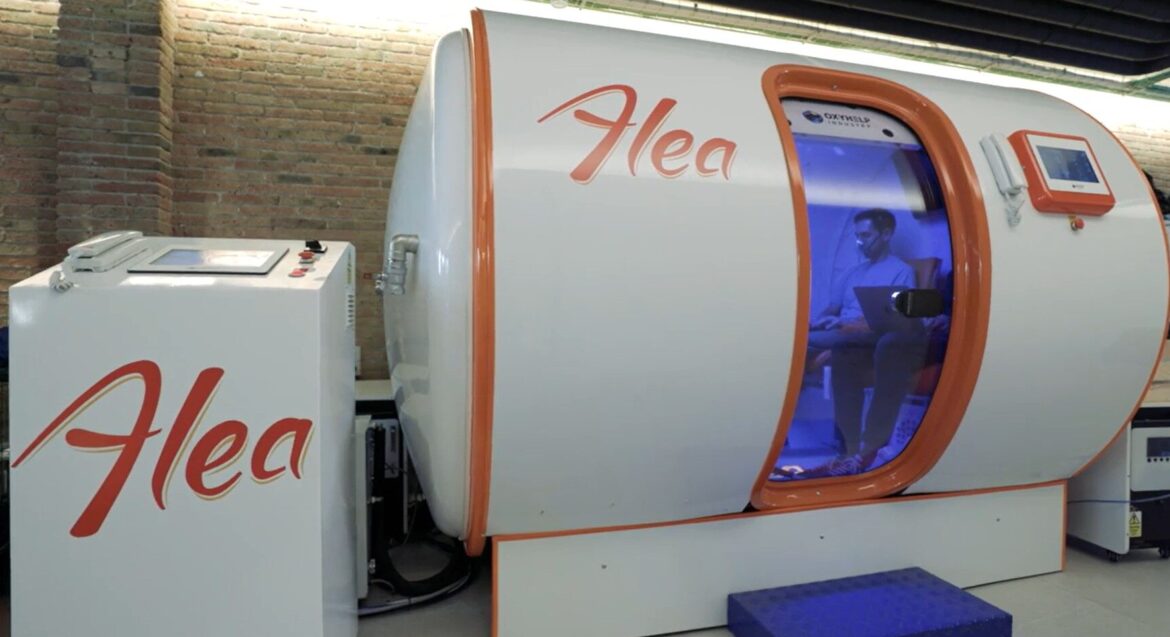
Under Pressure : Exploring the Benefits of Hyperbaric Oxygen Therapy (HBOT)
TL;DR
Core Concept: Hyperbaric Oxygen Therapy (HBOT) involves breathing 100% oxygen in a pressurized chamber, increasing oxygen levels in your blood and tissues to promote healing and wellness. It’s used for various conditions, from emergency care to anti-aging.
Significance: Thanks to more than 1400 scientific studies on this topic, we know for a fact that HBOT has the potential to address a wide array of health issues by improving oxygenation at a cellular level. HBOT has already demonstrated benefits for Wound Healing, Infection Control, Neurological Conditions, Anti-Aging, Athletic Performance & Recovery.
Challenges: Key challenges include affordability of HBOT, known protocols vary by condition, results depend on individual factors, and higher pressures may cause side effects like ear discomfort.
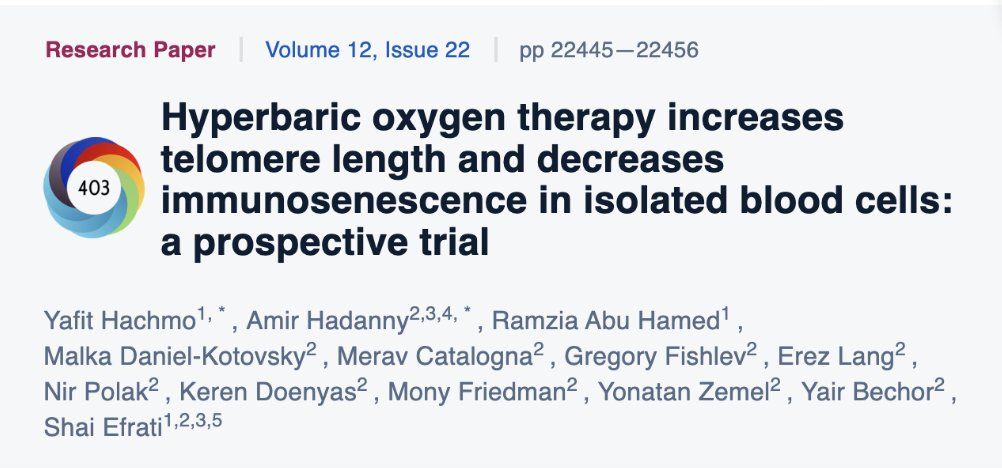
Strong Fact: A landmark clinical trial showed evidence of HBOT increasing telomere length in a small cohort of healthy older adults (age >64 years) [1]. Increases of telomere length* by more than 20% were demonstrated in multiple types of circulating immune cells, and the effect was also sustained 1-2 weeks after ending the HBOT protocol.
* A known marker promoting longevity
Implementation Tips – Practical Guidelines (Shared below!)
OVERVIEW
This article delves into the world of Hyperbaric Oxygen Therapy (HBOT), a fascinating and increasingly popular therapeutic approach.
WHY HBOT IS IMPORTANT FOR YOU?
HBOT may be important for you because it offers a unique way to enhance your body’s natural healing and regenerative processes. By increasing oxygen availability to your cells, HBOT can potentially:
- Accelerate recovery from injuries and surgeries [2]
- Improve energy levels and reduce fatigue [3]
- Enhance cognitive function and mental clarity [4]
- Reduce inflammation and pain [5]
- Support healthy aging and longevity [1]
Thus, whether you are an athlete looking to optimize performance, someone recovering from an injury or illness, or simply seeking to improve your overall health and well-being, HBOT may offer significant benefits.

HOW HBOT WORKS (IN SIMPLE WORDS) ?
The core idea behind Hyperbaric Oxygen Therapy (HBOT) is simple: how can we deliver more oxygen deep into the tissues to promote healing? As Oxygen is a “super nutrient” for your cells, increasing its availability can significantly enhance the body’s repair processes.
The Mechanism: Increasing Pressure & Oxygen Supply
To achieve this, we artificially increase the surrounding pressure—similar to the effect of being underwater—and enrich the air with additional oxygen.
But why does this work? According to Henry’s Law, the amount of gas dissolved in a liquid is proportional to its partial pressure above the liquid. By increasing atmospheric pressure, more oxygen dissolves into the bloodstream. This results in a higher oxygen concentration in the blood, creating a strong oxygen gradient that allows oxygen to diffuse deeper into tissues where it is most needed.
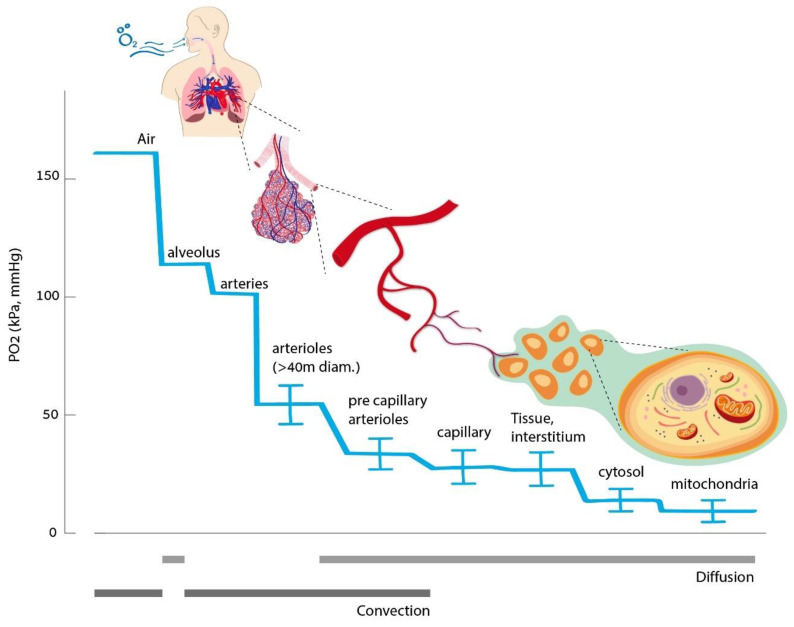
By adjusting pressure and oxygen delivery, we can achieve levels of oxygenation that provide tangible therapeutic benefits.
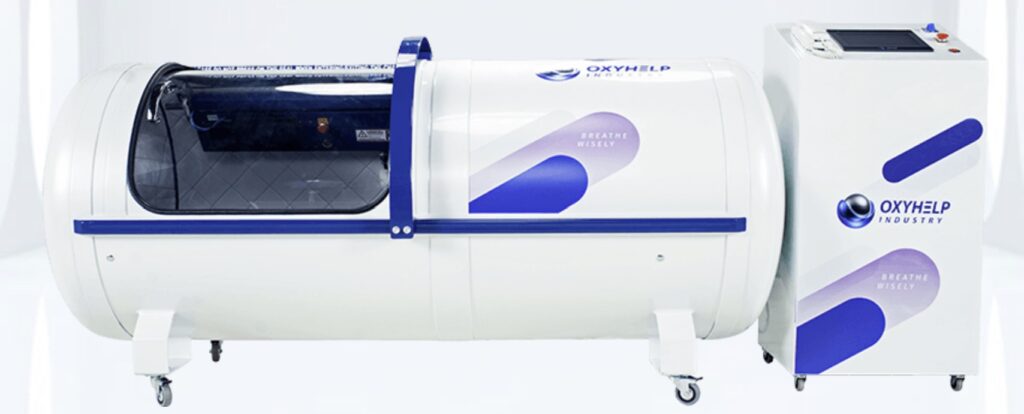
This controlled process is what we call Hyperbaric Oxygen Therapy (HBOT), performed inside a Hyperbaric Chamber.
Another way to experience increased pressure naturally is through scuba diving, where similar pressure effects occur depending on depth.
| Depth (m) | Absolute Pressure (ATA) | Pressure (bar) |
|---|---|---|
| 0 m (surface) | 1.0 ATA | 1.0 bar |
| 5 m | 1.5 ATA | 1.5 bar |
| 10 m | 2.0 ATA | 2.0 bar |
| 15 m | 2.5 ATA | 2.5 bar |
| 20 m | 3.0 ATA | 3.0 bar |
You can also review this short video to understand the underlying mechanism :
COMMON CHALLENGES WITH HBOT
Navigating the world of HBOT can be challenging. Here are some common hurdles you might encounter:
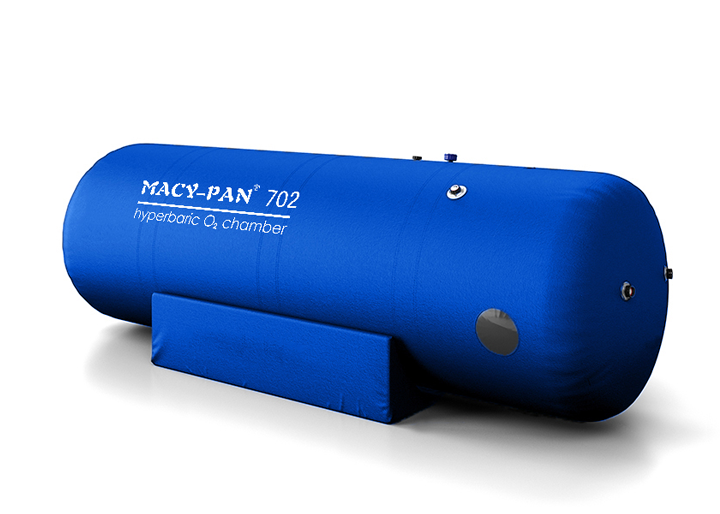
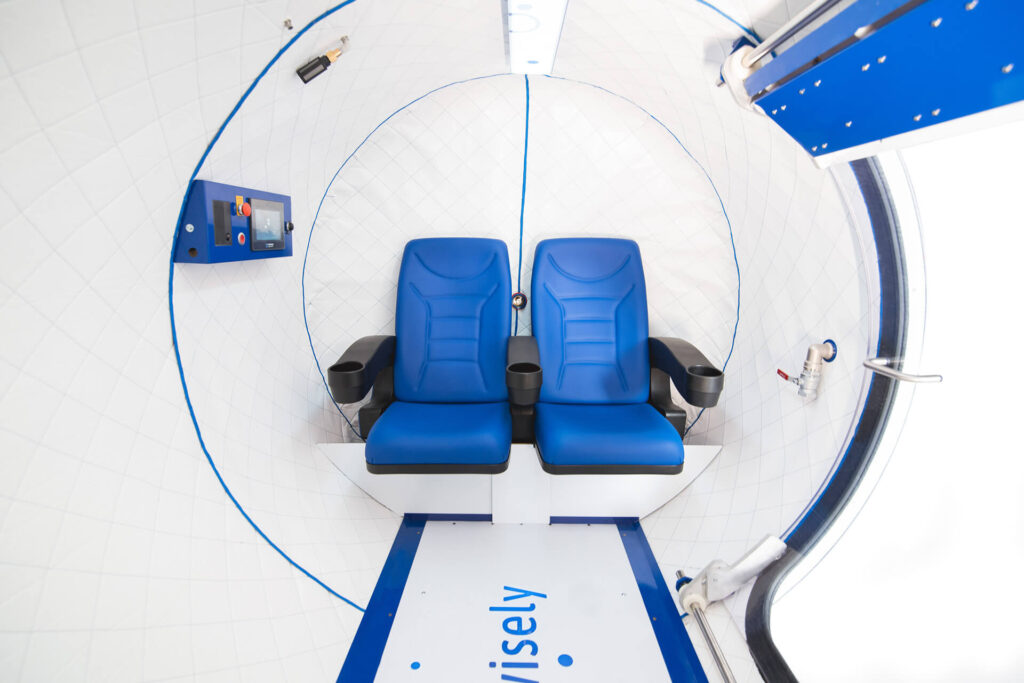
- Affordability: HBOT can be expensive to acquire and difficult to use directly at home.
Price range : from around 8k € to >90k€ depending on the model.
- Understanding Treatment Protocols: Different conditions may require different HBOT protocols, and understanding these nuances is essential. Optimal HBOT protocols (pressure, duration, frequency) are still being investigated and may vary depending on the condition being treated.
- Managing Expectations: Even though HBOT can be a very effective treatment, results may vary depending on the individual and the protocol used.
- Adverse Effects: HBOT can cause adverse effects, particularly at higher pressures (above 2.4 ATA) or longer treatment courses. The most common side effect is ear discomfort.
(EVEN MORE) FACTS THAT MIGHT INSPIRE YOU
Here some figures backed by scientific research :
- HBOT can stimulate stem cell mobilization by up to 800%, promoting tissue repair and regeneration [6]
- HBOT can enhance the effectiveness of certain cancer treatments, by increasing oxygen perfusion in tissues [7]
- HBOT has anti-inflammatory effects, which may help with conditions like Crohn’s disease [8]
- HBOT can promote neurogenesis (new brain cell growth), potentially improving cognitive function after brain injuries or stroke [9]
- HBOT may help in treating long-COVID [10]
INTERESTING VIDEO TO WATCH
HOW TO GET INTO HACKTION?
Practical Instructions
How to Begin Your HBOT Journey ?
Here’s how to get started:
- Consult Your Doctor: Talk to your primary care physician or a qualified healthcare professional to see if HBOT is right for you.
- Consider a Trial Session: Choose to give a try through an introductory HBOT sessions to allow you to experience the therapy firsthand.
- Integrate with Lifestyle Changes: Combine HBOT with a healthy diet, regular exercise, and stress management techniques to maximize its benefits.
- Track Your Progress: Keep a journal or use other methods (wearables data) to monitor your symptoms and overall well-being during HBOT treatment.
- Consider Mild HBOT: Mild HBOT, typically at 1.3 – 1.5 ATA can still provide significant benefits while reducing potential side effects you might be experiencing.
- Ask Questions: If you are not 100% convinced, don’t hesitate to keep asking your questions.
HBOT Protocol for Optimal Results
A well-documented protocol [11] for maximizing the physiological benefits of HBOT while being considered SAFE for your physiology follows this structure:
Phase 1: Therapy
- 30 to 40 sessions (60-90 minutes per session)
- 5 sessions per week, with the option of 2 sessions per day (minimum 4-hour break between sessions)
- Pressure range: 1.3 – 2.4 ATA
- Oxygen concentration: Up to 100%
- Use an Oxygen mouth nose mask with reservoir bag (not simple or canula type)
- Use the Hyperoxic-Hypoxic Paradox protocol [12] while being in the chamber : 20mn mask on / 5mn mask off. And you repeat until you complete your session.
| Parameter | Lowest dosage | Highest dosage |
|---|---|---|
| Sessions | 30 sessions | 40 sessions |
| Duration per Session | 60 minutes | 90 minutes |
| Frequency | 5 sessions/week [5 days on/ 2 Off] | 2 sessions/day (5 days/week) |
| Pressure Range (ATA) | 1.3 ATA | 2.4 ATA |
| Oxygen Concentration | 21% (room air) [without oxygen mask] | 100% |
Then, the “maintenance phase” is meant to conserve the benefits from phase 1.
It remains to me unclear what science says precisely onto that phase. Maybe we need more studies on that, but I share with you what I would personnally do :
Phase 2: Recovery & Maintenance
- Take a break from therapy : 1 week to 1 month.
- Resume at a pace of 1 to 2 sessions per week for long-term recovery and health optimization
In my view, this ongoing practice can be compared to regular scuba diving practice (which is not reported as “bad for health”), where consistent exposure to pressurized environments can help maintain physiological benefits over time.
CONCLUSION
Hyperbaric Oxygen Therapy holds significant promise as a therapeutic tool for a wide range of conditions. By increasing oxygen availability to tissues, HBOT can promote healing, reduce inflammation, enhance cognitive function, and support overall well-being. You are fortunate to have access to what many professional athletes use at home—it’s worth following their lead!

F.A.Q
Is HBOT safe?
What does HBOT feel like?
During HBOT, you may feel pressure in your ears, similar to what you experience during air travel.
How many HBOT sessions are needed?
The number of sessions varies depending on the condition being treated and individual response. The rule of thum being : 30 sessions at 1.3 ATA to 2.4 ATA.
Can I use a mild HBOT chamber?
Mild HBOT chambers are available for home use, and also, you can use the Alea’s one at a lower pressure than 2.2 ATA.
Are there any contraindications for HBOT?
Certain conditions, such as pregnancy, fever, and lung disease, may be contraindications for HBOT. You might wanna check with your health practicionner before starting your session.
REFERENCES
[1] Hyperbaric oxygen therapy increases telomere length and decreases immunosenescence in isolated blood cells: a prospective trial : https://www.aging-us.com/article/202188/text[2] HBOT for Post-Surgical and Injury Recovery : https://numaoxygen.com/articles/hbot-for-post-surgical-and-injury-recovery
[3] Hyperbaric oxygen therapy for chronic fatigue syndrome: a randomized, double-blind, placebo-controlled trial.” Journal of Translational Medicine. https://www.ncbi.nlm.nih.gov/pmc/articles/PMC3766122/
[4] Cognitive enhancement of healthy older adults using hyperbaric oxygen: a randomized controlled trial
https://www.aging-us.com/article/103571/text
[5] The Effectiveness of Hyperbaric Oxygen Treatment in Patients with Complex Regional Pain Syndrome: A Retrospective Case series : https://www.medsci.org/v21p2021.pdf[6] Hyperbaric air mobilizes stem cells in humans; a new perspective on the hormetic dose curve https://pmc.ncbi.nlm.nih.gov/articles/PMC10318163/[7] Hyperbaric oxygen suppressed tumor progression through the improvement of tumor hypoxia and induction of tumor apoptosis in A549-cell-transferred lung cancer : https://www.nature.com/articles/s41598-021-91454-2[8] Hyperbaric oxygen treatment for inflammatory bowel disease: a systematic review and analysis : https://pmc.ncbi.nlm.nih.gov/articles/PMC3328239/[9] Hyperbaric oxygen therapy promotes neurogenesis: where do we stand? : https://pmc.ncbi.nlm.nih.gov/articles/PMC3231808/ [10] Long term outcomes of hyperbaric oxygen therapy in post covid condition: longitudinal follow-up of a randomized controlled trial : https://www.nature.com/articles/s41598-024-53091-3[11] https://hyperbaricexperts.com/dosages/ [12] The Hyperoxic-Hypoxic Paradox: https://pmc.ncbi.nlm.nih.gov/articles/PMC7355982/
