Anti-Inflammatory Diet: Complete Guide to Boost Your Energy and Health
TL,DR
Core Concept: The anti-inflammatory diet reduces inflammation by emphasizing whole, minimally processed foods, significantly enhancing metabolic and cognitive health.
Significance: This diet highlights the critical connection between diet and well-being, treating quality foods as essential fuel for the body’s repair and growth processes.
Challenges: Includes overcoming temptations, managing sugar cravings, identifying dietary triggers, and comprehending the inflammatory effects of certain foods.
Dietary Guidelines:
Avoid (PCARGA): Processed foods, Conventional dairy, Alcohol, Refined and trans fats, Gluten (in general), Added sugars.
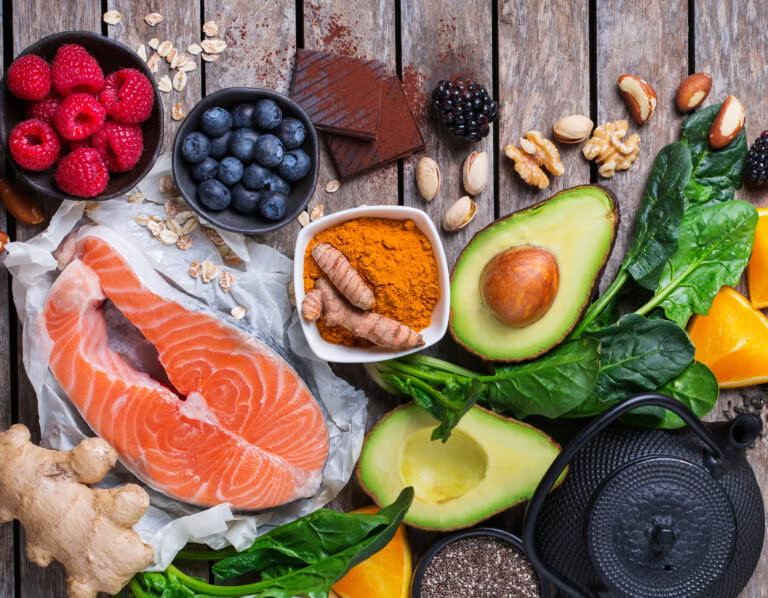
Embrace: Non-starchy vegetables, fruits, quality proteins, seeds and nuts, healthy oils, spices, herbs, and probiotics-rich fermented foods.
Strong Fact: A study published in the Journal of the American College of Cardiology analyzed data from over 210,000 participants over up to 32 years, showing that diets high in pro-inflammatory foods are associated with a 28% greater risk of stroke and a 46% greater risk of heart disease. [5]
Implementation Tips: Shared below!
WHAT YOU’LL EXPLORE IN THIS ARTICLE
The anti-inflammatory diet is an increasingly popular topic in the health and wellness arena. It focuses on reducing bodily inflammation by favoring whole, minimally processed foods. The primary goal is to restore bodily balance, enhancing both metabolic and cognitive health.
If you often feel tired, suffer from joint pain, digestive issues, allergies, or mood swings, you might be experiencing chronic inflammation. Adopting an anti-inflammatory diet can boost your daily energy, enhance your quality of life, and prevent chronic diseases.
WHY THIS MATTERS FOR YOU?
It’s crucial to understand the connection between what you eat and how you feel. Your body uses nutrients from your food to build new cells, organs, and tissues. Choosing quality foods is akin to using clean fuel for your engine, while ultra-processed foods are like dirty diesel.
To deeply integrate this concept, please try this quick exercise: at your next meal, observe what you ingest and ask yourself: “Do I want this food to become part of my cells?” Notice your reaction, and you’ll instinctively judge what you consider good food for you.

COMMON CHALLENGES
Despite many benefits, transitioning to an anti-inflammatory diet can be tough. Here are some common challenges:
- Environmental and Social Factors: Temptations are EVERYWHERE, making it hard to make healthy choices when surrounded by processed foods.
- Lack of Knowledge: Understanding which foods are inflammatory and which are beneficial is essential.
- Sugar Addiction: Sugar and ultra-processed foods are designed to be addictive, making them hard to quit.
- Identifying Trigger Foods: Everyone reacts differently to foods, so it’s crucial to identify your inflammation triggers.
- Long-term Planning: Drastic changes are rarely sustainable. It’s better to take a gradual approach and allow time for adjustment.
- Psychological and Emotional Barriers: Changing eating habits requires motivation, perseverance and even sometimes emotional work.
- Being Overly Strict: Avoid creating excessive stress around this topic, as it’s the habitual issues that are problematic, not the occasional deviation.

FACTS TO INSPIRE YOU
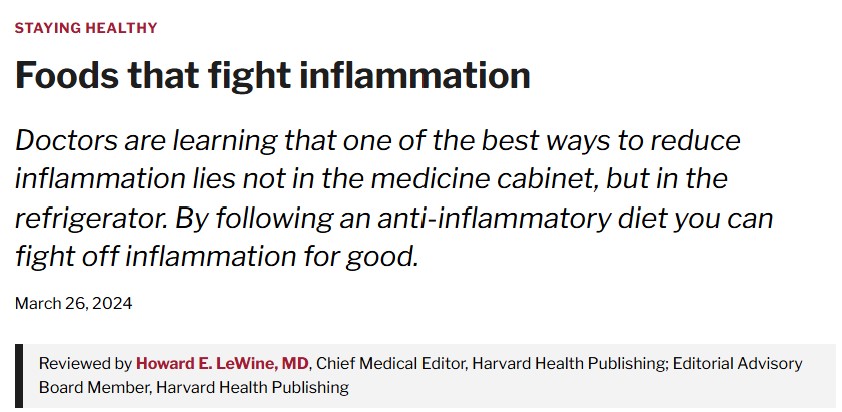
The benefits of an anti-inflammatory diet are numerous:
- Reduction in bodily inflammation [1]
- Improved metabolic regulation [1] [2]
- Lowered cholesterol [3]
- Mental and Neurodegenerative Health [2]
In other words, this dietary approach can make you feel better, boost your energy, and reduce your risk of chronic diseases.
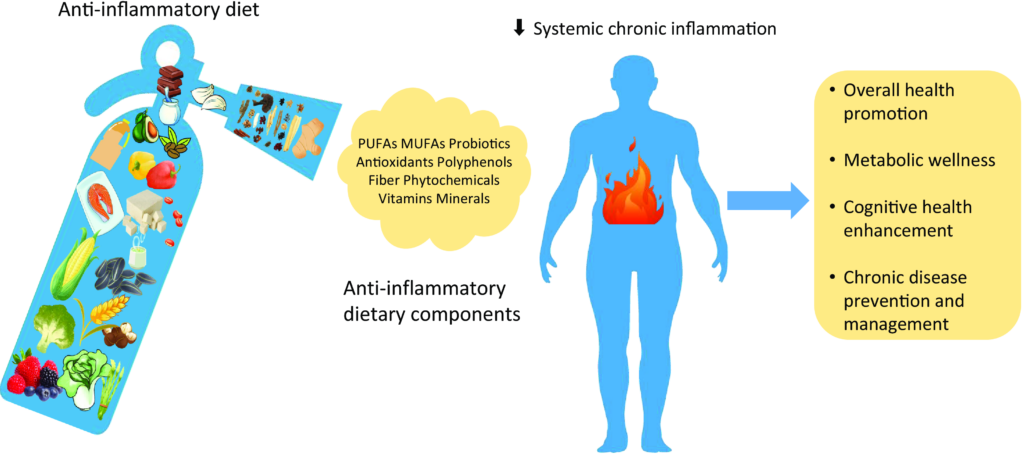
On the other hand, chronic inflammation is linked to numerous diseases, including:
- Obesity
- Diabetes
- Heart diseases
- Gastrointestinal issues
- Dementia
- Parkinson’s disease
- Chronic fatigue
- Fibromyalgia
- Cancer
- Mood disorders (depression, anxiety)
Studies have shown that ultra-processed foods can increase the risk of all-cause mortality. Conversely, a diet rich in anti-inflammatory foods can help prevent and manage these diseases. [1]
INTERESTING VIDEO TO WATCH
HOW TO GET INTO HACKTION?
Practical Instructions – Anti-inflammatory diet integration
The anti-inflammatory diet focuses on avoiding foods that trigger inflammatory processes in the body.
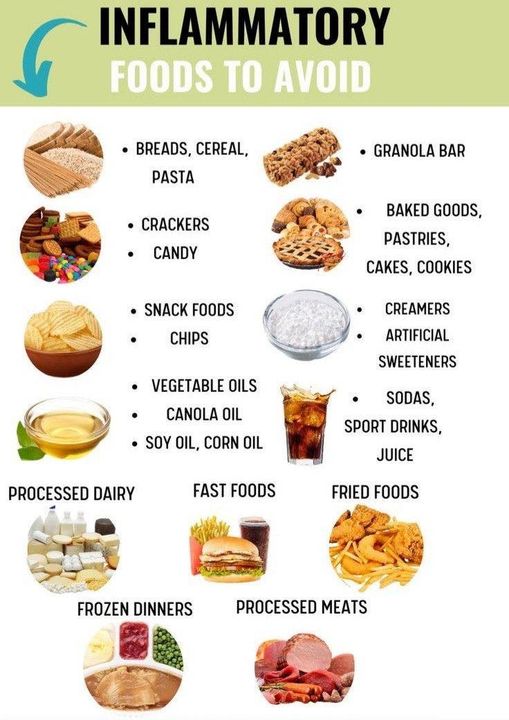
1/ AVOID the food that belong to these categories : P.C.A.R.G.A
- Processed Foods: Typically loaded with preservatives and additives that can exacerbate inflammation. Also, the transformation processes used can make the final product harmful, such as when foods are fried. Frying is super tasty ok…BUT it introduces Maillard reaction compounds, acting like cellular toxins and promoting inflammation. Remember : fried food => fried cells!
- Conventional Dairy Products: These often contain hormones, proteins modifications and lactose, which some people find inflammatory.
- Alcohol: Can disrupt gut health and contribute to systemic inflammation.
- Refined Oils: Refined vegetable oils such as soy, canola, and sunflower, which are high in omega-6 fatty acids and can promote inflammation when not balanced with omega-3s. Or trans fats, often found in processed foods, baked goods, and some margarines, trans fats are created through a process called hydrogenation, which turns liquid vegetable oils into solid fats. Trans fats are particularly harmful because they contribute to systemic inflammation, increase LDL (bad) cholesterol, and decrease HDL (good) cholesterol.
- Grains with Gluten: Especially for those with sensitivities, as they can trigger inflammatory responses.
- Added Sugars and Artificial Sweeteners: Contribute to the overproduction of pro-inflammatory cytokines.
2/ FAVOR these foods instead :
- Non-starchy Vegetables: Such as broccoli, cauliflower, and spinach, which are high in antioxidants and phytochemicals that reduce inflammatory markers.
- Fruits: Like berries and citrus, known for their high vitamin C and flavonoid content, aiding in reducing inflammation.
- Quality Proteins: Opt for sources like wild fish, grass-fed meat, and poultry, which are rich in omega-3 fatty acids and have lower levels of inflammatory fat.
- Seeds and Nuts: Including chia, flax, almonds, and walnuts, these are good sources of anti-inflammatory omega-3 fatty acids, fiber, and vitamin E.
- Healthy Oils: Such as extra virgin olive oil, coconut oil, ghee, and avocado oil, rich in polyphenols and healthy fats that help lower inflammation.
- Spices and Herbs: Turmeric, ginger, garlic, and cinnamon are potent anti-inflammatory agents due to their high concentration of bioactive compounds.
- Fermented Food : Such as homemade yogurt, kefir, sauerkraut, kimchi, and miso, which are rich in probiotics that support gut health and reduce systemic inflammation. These foods help in balancing the gut microbiota, enhancing the absorption of nutrients, and reducing anti-nutrients, thereby further contributing to the anti-inflammatory effects of the diet.
💡 Here are some practical tips for incorporating an anti-inflammatory diet into your daily life:
Start Gradually – Purge Your Pantry: Replace inflammatory foods (P.C.A.R.G.A) with healthier options progressively. [Grocery list available in F.A.Q]
Plan better your meals and cook more often: Prepare a shopping list and cook in advance to avoid impulsive choices. This lets you control the ingredients and preparation methods.
Try one of famous diets known to be ‘anti-inflammatory’: Several types of anti-inflammatory diets have been studied, including the Mediterranean and ketogenic diets. These diets are rich in omega-3 fatty acids, polyphenols, and other nutrients that help reduce inflammation. You can easily find many resources on these diets across the web.
Read ALL Labels: Avoid foods with added sugars, refined oils, and artificial additives. Pay also attention to food very well marketed as “healthy food”.
Experiment with New Recipes: Discover tasty and healthy dishes you enjoy.
Seek Professional Help: If it is too much for you, not enough time, too much information to manage, a dietitian can help personalize your diet and achieve your goals.
Listen to Your Body: Identify foods that make you feel good and those that cause symptoms.
Track Your Progress: Note the physical and mental changes you observe.
Be Kind to Yourself: Don’t get discouraged by mistakes. The key is to persevere and progress towards a healthier diet. Remember, perfection isn’t required, we learn essentially by “mistakes” so be patient and enjoy the process the best you can. It should be fun and enjoyable !
CONCLUSION
The anti-inflammatory diet is a powerful tool for enhancing your health and well-being. By understanding the basic principles and making informed food choices, you can reduce inflammation in your body, boost your energy, and prevent chronic diseases. Remember, every small step counts, and it’s important to adopt a gradual and sustainable approach.
F.A.Q
Do I need to completely eliminate certain foods?
It is not always necessary to completely eliminate certain foods unless you have an allergic reaction or intolerance. Remember, the goal isn’t to be “perfect”, it is to reduce significantly your intake of pro-inflammatory foods and increase your consumption of anti-inflammatory foods. It is a dynamic and an individual balance you will navigate throughout your life. That said, obviously, the less pro-inflammatory remains the better.
Can I consume carbohydrates?
Yes, but prioritize complex carbohydrates like vegetables, fruits, and whole grains. Avoid refined carbohydrates like white bread, pasta, and pastries.
And also, if you remember the glucose management article (https://health.alea.com/2025/01/13/the-power-of-understanding-your-blood-glucose-dynamic-for-your-daily-energy/) , it is better to eat them in a particular order. Fibers First!
Are there any risks associated with Omega-3 supplementation?
While generally safe, higher doses (above 5g per day) may cause side effects. If you are considering high dosages, it is recommended that you consult with a healthcare provider.
What exactly are ‘healthy fats’ and how can I incorporate them into my diet?
Healthy fats are crucial for optimal body function, including hormone production, cell structure integrity, nutrient absorption, and inflammation regulation. They can be broadly categorized into:
Saturated Fats: Modern biohacking and ketogenic dietary approaches recognize the value of saturated fats when consumed from high-quality sources. Contrary to outdated views that categorize all saturated fats as harmful, recent research suggests that they can be beneficial in the context of a low-carbohydrate, high-fat diet. Saturated fats are stable, do not oxidize easily, and can withstand high cooking temperatures, making them ideal for cooking. Good sources include coconut oil, butter from grass-fed cows, MCT oil and fats from pasture-raised meats.
Monounsaturated Fats (MUFAs): These fats are praised for their cardiovascular health benefits. MUFAs can help reduce bad cholesterol levels and are linked to improved insulin sensitivity and reduced inflammation. Sources include olive oil, avocados, and most nuts, such as almonds and macadamias.
Polyunsaturated Fats (PUFAs), including Omega-3 and Omega-6 Fats: These are essential fats, which means the body cannot produce them, and they must be obtained through diet. The modern approach emphasizes the importance of balancing omega-3 and omega-6 intake to prevent an inflammatory response. Omega-3 fats, found in fatty fish like salmon, mackerel, and flaxseeds, are particularly beneficial for brain health and reducing inflammation. It is advisable to consume omega-6 fats, found in many vegetable oils, in moderation and to enhance the diet with omega-3 rich foods. [more on omega 3 here : https://health.alea.com/2025/01/27/daily-omega-3-fuel-brain-health-and-cognitive-function/]
“Healthy fats” example : coconut oil, butter from grass-fed cows, MCT oil, and fats from pasture-raised meats, olive oil, avocados, nuts such as almonds and macadamias, salmon, mackerel, and flaxseeds.
How do I know if an anti-inflammatory diet is working for me?
You should notice an improvement in fatigue, joint pain, digestive issues, and mood disorders. You might also see weight loss, reduced blood pressure, and improved cholesterol levels.
You can also consider to measure the effectiveness of an anti-inflammatory diet getting a high-sensitivity C-reactive protein (HS-CRP) test. It will quantify and track changes in low-grade inflammation.
Do you have a grocery list ?
Depending on the type of diet you choose you’ll be able to find a lot of ressources about what kind of food you should buy when you go to the grocery store.
That said you can also download and use the following one that is simple but efficient :
REFERENCES
[1] Overview of anti-inflammatory diets and their promising effects on non-communicable diseases: https://www.cambridge.org/core/journals/british-journal-of-nutrition/article/overview-of-antiinflammatory-diets-and-their-promising-effects-on-noncommunicable-diseases/AA3166846841DCC1B219C063F52E2A7F[2] Anti-Inflammatory Properties of Diet: Role in Healthy Aging : https://www.semanticscholar.org/paper/Anti-Inflammatory-Properties-of-Diet%3A-Role-in-Aging-Stromsnes-Correas/6e45ec6c09def7692de6c66b01308e733190f6bd[3] Diet intervention improves cardiovascular profile in patients with rheumatoid arthritis: results from the randomized controlled cross-over trial ADIRA : https://nutritionj.biomedcentral.com/articles/10.1186/s12937-021-00663-y[4] An Anti-Inflammatory Diet and Its Potential Benefit for Individuals with Mental Disorders and Neurodegenerative Diseases—A Narrative Review : https://www.mdpi.com/2072-6643/16/16/2646[5] Avoiding Inflammatory Foods Can Lower Heart Disease, Stroke Risk : https://www.jacc.org/doi/10.1016/j.jacc.2020.09.535
Excellent