Sleep Optimization for Newbies: Your Blueprint to Become a “Sleep Athlete”
TL;DR
Core Concept: Sleep isn’t wasted time — it’s the ultimate biological reset. During deep and REM sleep your body repairs cells, restores energy, balances hormones, consolidates memory, strengthens immunity, and protects against aging. Without it, every system in your body breaks down faster.
Significance: Chronic sleep loss drives cardiovascular disease (+48% risk if <6h/night), weakens immune defense (up to –50% antibody response after vaccination), increases DNA damage (+30% in one week), accelerates cognitive decline, and shortens life expectancy. Optimizing sleep is non-negotiable.
Challenges: Cultural glorification of “hustle,” late-night socializing, blue-light exposure, caffeine, alcohol, stress, and anxiety all disrupt circadian rhythms. Many people believe they “sleep fine” without realizing they’re operating at a deficit. Wearables can help measure sleep but also trigger score anxiety.
Strong Fact: Being awake for 18 hours impairs you as much as driving at 0.5 g/L alcohol — the legal intoxication limit in most of Europe. Just one week of insufficient sleep raises DNA damage markers by 30%, accelerating cellular aging.
Implementation Tips – Practical Guidelines (Shared below!) (Scroll down in the full article!)
OVERVIEW
Sleep is not a luxury reserved for the weak, nor is it merely an inconvenience that eats into your productive hours. It is, in fact, one of the most powerful things you can do for your health and wellness. High-quality sleep is the absolute foundation for well-being and longevity.
The opportunity here is profound: by mastering your sleep, you unlock vast reserves of physical and mental capacity that modern life often steals. Addressing poor sleep provides a direct path to more cellular energy, reduced inflammation, better hormonal balance, mental clarity, and improved longevity.
Imagine a life where you wake up feeling consistently rejuvenated, sharp, and resilient. This is the vision of the ideal outcome—a state where life feels “amazing and possible”. When you prioritize sleep, you reframe your identity: You become a Sleep Athlete — training daily in the arena of rest and recovery. This level of commitment ensures that you are a top performer, mentally stable, and physically restored.
What is Sleep Optimization? (Definition)
Sleep optimization, for the newcomer, is the conscious effort to align your daily behaviors and environment with your natural biological rhythms to maximize your nightly rest. This holistic approach is often summarized by the four crucial pillars of sleep: Quantity, Regularity, Timing, and Quality (QRTQ).
• Quantity: Getting an adequate amount of sleep, typically 7–9 hours for adults aged 18–64, though individual needs vary.
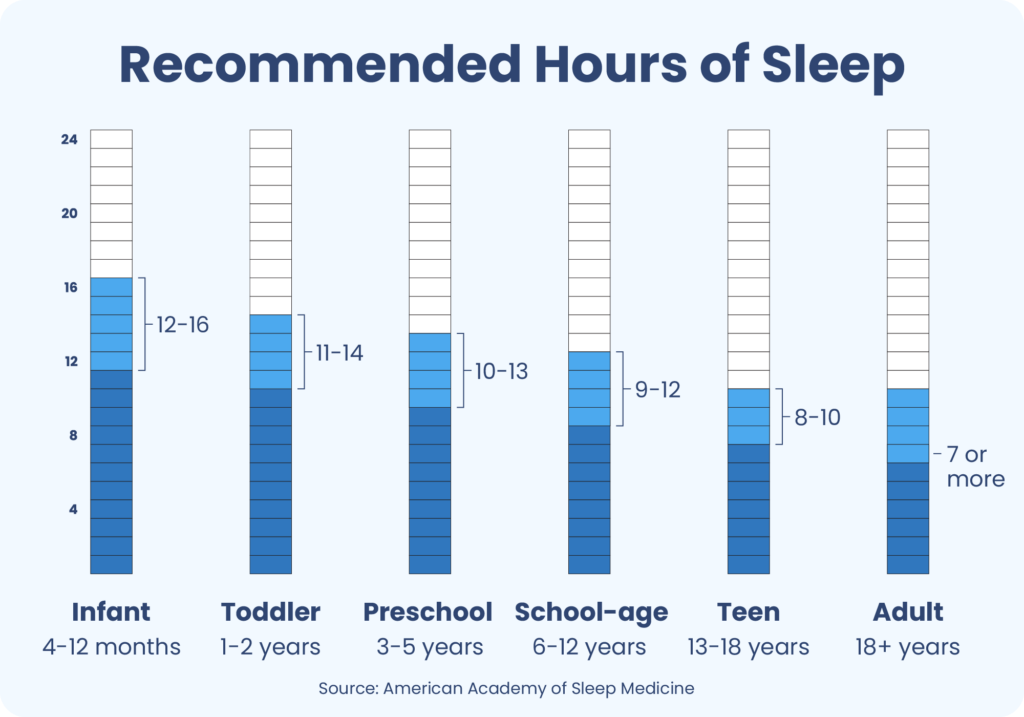
• Regularity: Maintaining consistent times for going to bed and waking up, which is key to optimizing restorative Deep and REM sleep.
• Timing: Aligning your sleep schedule with your personal [chronotype]—the unique genetic expression defining your optimal sleep/wake rhythm—and structuring your daily activities (like exercise and meals) accordingly.
• Quality: Ensuring the time spent asleep is regenerative, measured partly by the efficiency and structure of your sleep cycles (Deep, REM, Light).
A critical component of quality sleep is Deep Sleep. Deep sleep is described as a “super power”. It is essential for physical restoration, muscle repair, immune function, and detoxifying the brain. Deep sleep also improves memory, supports learning, regulates hormones, and promotes emotional resilience. Crucially, most deep sleep happens early in your sleep cycle. If you miss this early window, that deep sleep opportunity is largely gone.
Why Should You Care ?
Sleep is not just a passive resting state; it is a complex biological function that is fundamental to our evolution and survival as a species. As Bryan Johnson puts it, “Nothing influences your conscious existence more”.
The Importance of Sleep :
• Physical Restoration: Sleep rejuvenates the body and is necessary for physical recovery.
• Immunity and Hormones: It boosts immune function and regulates essential hormones.
• Cognitive Function: Sleep improves memory, supports learning, and enhances mental clarity.
• Emotional Resilience: Adequate sleep promotes emotional stability and reduces anxiety.
The Consequences of Sleep Deprivation
Ignoring sleep accrues a “physiological debt” that can be paid dearly over time. The consequences of poor sleep are significant, often mirroring states of mild intoxication:
• Impaired Cognition: Sleep deprivation reduces cognitive function, slows reflexes, and leads to poor decision-making. Being awake for 18 hours is comparable to a blood alcohol level of about 0.5 g/L (the legal driving limit in Spain and most of Europe). Staying awake for 24 hours is like having a blood alcohol level of 1.0 g/L, well above the legal intoxication threshold. [1]
• Health Risks: Chronic lack of quality sleep is linked to numerous serious health issues, including heart disease, diabetes (Type 2), obesity, hypertension, and weakened immunity. [2][3]
• Mental Health: Sleep deprivation increases anxiety, depression, and is linked to psychiatric disorders. [4][5]
• Longevity: Poor sleep is associated with major diseases like Alzheimer’s and cancer. Dr. Matthew Walker warns: “The Shorter your sleep, The shorter your life”. [6]
Common Challenges
If sleep is so vital, why do so many people struggle with it?
Most collective failures to achieve sufficient quality sleep stem from conflicts with modern life.
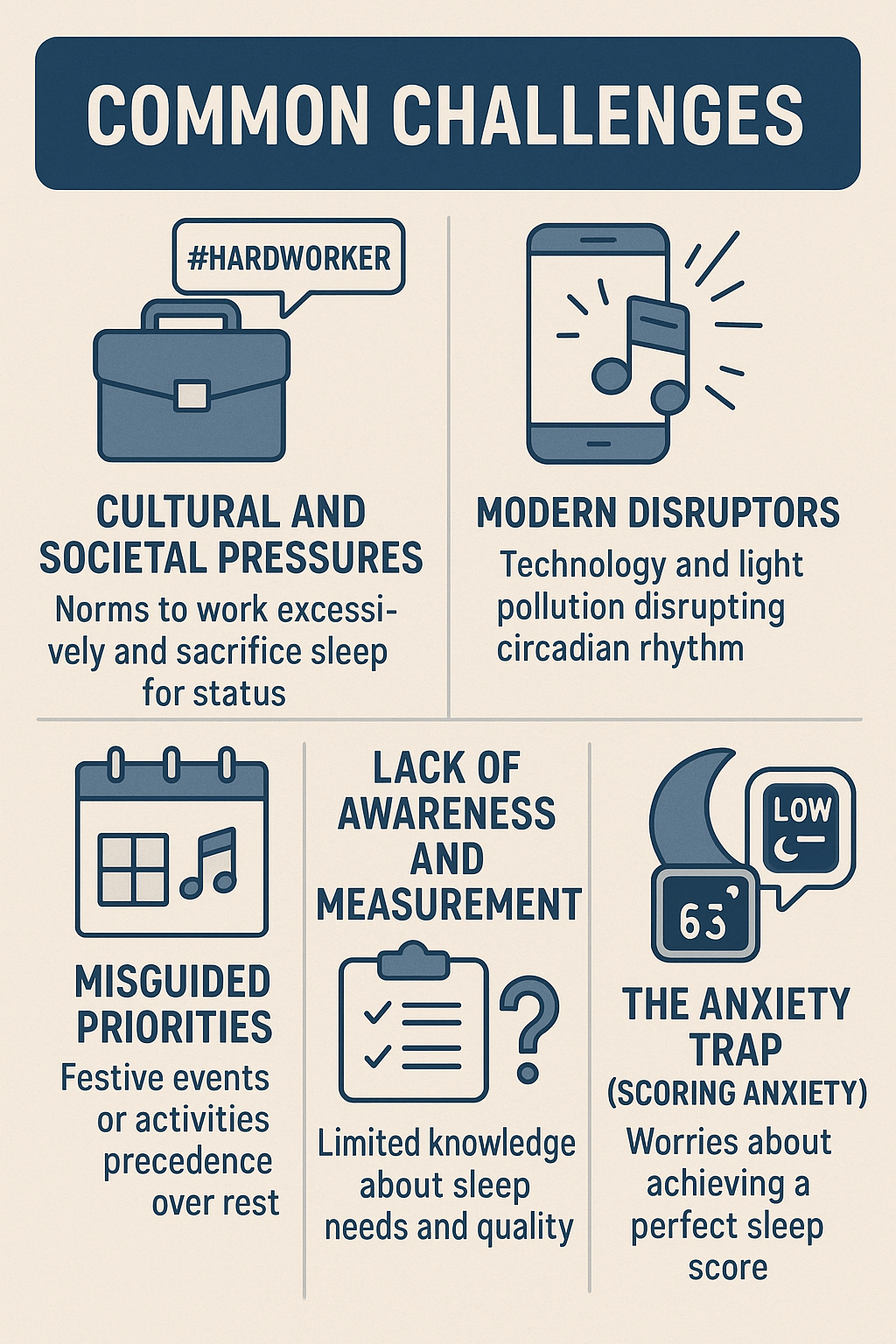
• Cultural and Societal Pressures: We face cultural mandates to constantly work or strive, often sacrificing sleep for a “status” premium associated with being a #HardWorker. There are prevailing norms that claim needing sleep is “for the weak”.
• Modern Disruptors: The introduction of new technologies (screens, light pollution (cf. blue light / Junk light article) severely perturbs our natural circadian rhythm.
• Misguided Priorities: Many individuals habitually prioritize “festive events” or non-essential late-night activities over respecting their physiological need for consistent rest.
• Lack of Awareness and Measurement: There is a generalized lack of knowledge regarding one’s personal optimal sleep quantity and quality. Furthermore, many people simply believe their sleep is “good,” not realizing it could be significantly better, thus failing to treat sleep as crucial and prioritized.
• The Anxiety Trap (Scoring Anxiety): Social media and some wearable devices push the idea that you must have perfect, uninterrupted sleep. This can lead to anxiety when people wake up or receive a low “sleep score,” paradoxically stressing them out and further inhibiting good sleep.
Hard Facts to Motivate You (Science-Based)
To truly commit to better sleep, here are 3 undeniable facts why sleep is non-negotiable for your health:
- Sleep and the Heart
- Sleeping less than 6 hours per night raises the risk of cardiovascular disease by 48% and overall mortality by 15%. [2]
- Sleeping less than 6 hours per night raises the risk of cardiovascular disease by 48% and overall mortality by 15%. [2]
- Immune Defense
- Poor sleep weakens your immune system. Antibody production after vaccination can drop by 50%, and risk of infections increases by 40–60%. [3]
- Poor sleep weakens your immune system. Antibody production after vaccination can drop by 50%, and risk of infections increases by 40–60%. [3]
- DNA Protection
- Just one week of insufficient sleep elevates DNA damage markers by 30%, reducing your cells’ ability to repair and accelerating aging. [7]
- Just one week of insufficient sleep elevates DNA damage markers by 30%, reducing your cells’ ability to repair and accelerating aging. [7]
INTERESTING VIDEOS TO WATCH
HOW TO GET INTO HACKTION?

Practical Instructions
Your Practical Sleep Optimization Recipe For Becoming a “Sleep Athlete“
If you only do one thing for your health: sleep.
Here’s your playbook — simple, actionable, and science-backed.
1. Reframe Your Perspective on Sleep
- Sleep is your competitive edge — it will make you a top performer.
- You are a now a “sleep athlete” (and engage/compete with the Whoop community).
- Make sleep your #1 priority. Nothing influences your health and performance more.
- Plan your day around sleep. Treat it as the most important appointment in your calendar.
- Ignore those who say “sleep is for the weak.” They’re simply drunk on sleep deprivation.
2. Track & Measure (Make Sleep Visible)
- Use a wearable like WHOOP (or/and Oura Ring, Apple Watch, Fitbit) to track sleep duration, deep/REM, HRV, and resting heart rate.
- ⚠️ Don’t blindly trust the score. Always compare it with how you feel.
- Obsessing over low scores creates anxiety → which kills sleep.
- Golden rule: Resting > Scoring.
3. Environmental Tweaks (High-Impact Easy Wins)
- Morning Light: Get outside within 15–30 minutes of waking. If unavailable, use a light therapy device.
- Evening Light: Dim lights 1–2 hours before bed. Use warm amber/red lighting. Install blue-light filters (f.lux, Iris) or wear blue-light-blocking glasses.
- Bedroom Temperature: Keep it cool — 15–19°C (60–67°F)[for most adults]. Use breathable bedding.
- Curate Your Environment: Quiet, dark, clutter-free. Invest in a quality mattress and pillows. Consider earplugs.
4. Build a Wind-Down Routine (30–60 Minutes)
- Eliminate screens. This signals your body it’s time for rest.
And pick your new activities :
- Read a physical book. (A randomized trial on 991 people showed bedtime reading improved sleep quality)
- Practice mindfulness or breathwork. (Meta-analyses show mindfulness can be as effective as medication for sleep issues.)
- Listen to soothing music. (Studies across 9 trials (489 participants) found calming music improved sleep latency, duration, and efficiency.)
- Take a warm bath, do a sauna IR session or stretch gently (Yin yoga).
5. Timing & Nutrition
- Consistent Schedule: Go to bed and wake up within a 30-minute window every day, even weekends.
- Eat Early: Finish your last meal 3+ hours before bed. Heavy, late meals raise resting heart rate and reduce deep sleep by up to 30%.
- Avoid Substances: Cut alcohol. Stop caffeine at least 10–12 hours before bed. Try herbal teas instead.
6. Movement & Energy Regulation
- Exercise daily — even 15–20 minutes of cardio improves sleep depth.
- Avoid intense workouts in the 4 hours before bed.
- Delay your first coffee 90 minutes after waking to align with natural cortisol rhythms.
- Limit evening fluids to reduce bathroom trips at night.
- Middle of the Night Wake-Ups:
- If you’re alert and stressed → get out of bed. Do something calm in dim light (read, puzzle).
- If you’re only slightly awake → try Yoga Nidra or NSDR to buy back deep rest.
7. Advanced Hacks (Once Basics Are Solid)
- Mouth Tape + Nasal Strips: Promote nasal breathing. Improves oxygenation and sleep quality. Mouth tape solution ? => After testing different options on Amazon, I’ve found that 3M Micropore medical tape offers the best balance of quality and cost. I’ve been using it for years now with great satisfaction.[“3M Micropore medical tape”]
- Inclined Bed Therapy: Elevate your bed head ~15 cm to support brain detox during sleep.
- Napping: A 20–45 min nap can boost mood and alertness. But if you struggle with insomnia, skip naps.
- Earthing Sheets: Sleeping grounded can reduce inflammation, calm the nervous system, and improve sleep depth by reconnecting you with the Earth’s natural electrical field. You can buy one for instance [HERE] (or the same type on amazon or aliexpress).
- Sleep Pod : use a “sleep pod” from [8sleep] or another brand.
8. If Sleep Still Doesn’t Improve (Deeper Checks)
- Get a Sleep Exam: If nothing works, consider a professional sleep study to identify apnea or other disorders.
- Look Deeper: Explore emotional/psychological causes (therapy, psychoanalysis, stress management).
- Smart Supplements: Magnesium, L-theanine, GABA, and calming compounds can help the nervous system.
- ⚠️ Avoid sedatives (sleeping pills, weed, heavy anxiolytics). They knock you out but don’t provide restorative sleep.
- Always aim to treat the root cause of poor sleep — not just suppress the symptom.
📌 Pro Hack Mindset:
You’re not just “trying to sleep better.”
You’re building the identity of a “sleep athlete” — treating sleep as your number-one performance enhancer.
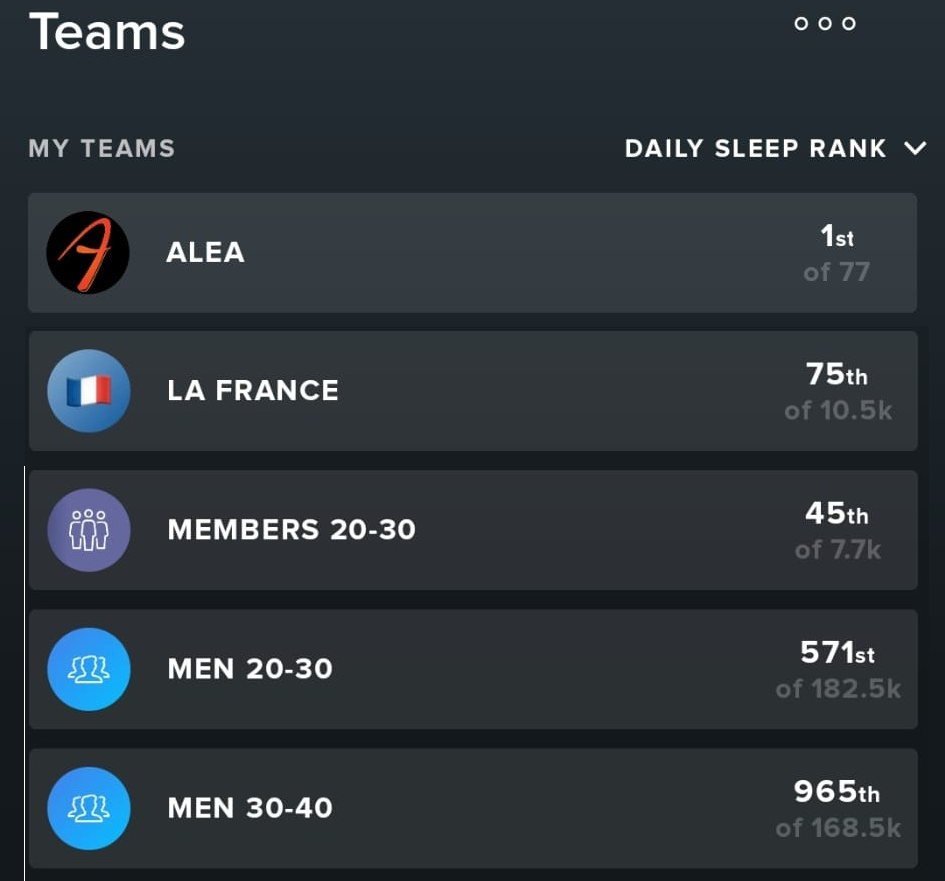
ALEA’s Benchmark: 85% Sleep Score
At ALEA, employees are encouraged to aim for a WHOOP Sleep Score of 85% every day.
Why 85%? Because this is the sweet spot where:
- Recovery is optimized,
- Performance is sustainable,
- Long-term health is supported.
👉 Learn more here: WHOOP as Your Health Compass.
AUTHOR’S NOTE
In my own journey, I became almost obsessed with improving my sleep score. I knew it was a fundamental key to cellular regeneration — vital for managing the symptoms of my chronic condition, but also for compensating for the cognitive struggles I sometimes faced.
That obsession turned into discipline. I became strict, committed — almost like a Sleep Athlete — because I realized the reward was priceless: waking up with more energy, sharper clarity, and a sense of renewal that nothing else could replace.
Of course, life happens. Social events, family commitments, unexpected disruptions — we can’t all live like urban monks. But precisely in those moments when sleep gets compromised, you realize just how precious and non-negotiable it really is.
Improving sleep is not mysterious. It starts in the morning with circadian alignment, and continues with simple awareness of everyday habits that silently sabotage rest: alcohol, caffeine, smoking, late screens, poor nutrition. These “small” things add up — for better or worse.
At ALEA, I’m grateful that everyone uses WHOOP. It means we’re not speaking in abstractions; we’re working with real, objective data. Each person has a score, a mirror of their habits, and a clear benchmark to aim for.
My hope is that you see sleep for what it truly is: a crucial foundation of your performance, health, and well-being. With awareness, commitment, and your WHOOP as a guide, you can progressively improve your sleep performance — just like an athlete — and feel the difference every single day.
Let’s get to the top together and have worldwide top 1% score !
CONCLUSION
You now possess the foundational knowledge and practical steps to begin your journey toward high-quality sleep.
Reframe sleep as your #1 priority — the single most important appointment in your calendar.
Don’t get discouraged by occasional setbacks or low tracker scores. The real key is consistency and simplicity. By sticking to the core Hacktivated Routine — regular bedtimes, light management, early dinners — you align with your biological clock and unlock recovery.
Start small. Add one new habit each week/month. This way, you steadily build a powerful routine without overwhelm.
At ALEA, we anchor this practice with a clear benchmark: a WHOOP Sleep Score of 85+%. This number is more than a metric — it represents a good spot for recovery, performance, and long-term health.
By aiming for this daily target, you transform sleep into your most reliable performance enhancer. Commit to the practice, and you’ll profoundly elevate your physical health, mental sharpness, and overall well-being.
Erwin
F.A.Q
Are commercial sleep trackers accurate, and should I obsess over my score?
Sleep trackers are practical tools for tracking long-term trends and helping you monitor progress, but they are not perfect and are not as accurate as medical polysomnography. They are limited at accurately estimating specific sleep phases. You should use them as a guide, confronting the data with how you physically feel upon waking. Obsessing over a low sleep score can generate anxiety, which is counterproductive to falling asleep. Always remember: Resting > Scoring.
What is the most important habit for improving my sleep quality?
While multiple factors are important, consistency and regularity in your bedtime and, especially, your wake time, is key. Regularity helps stabilize your body’s circadian rhythms, which is essential for optimizing the time spent in regenerative Deep and REM sleep.
Can I use alcohol or cannabis to help me fall asleep faster?
Although alcohol and cannabis might make you feel drowsy, they are major sleep disruptors. Alcohol is a sedative that negatively affects your metabolism and overall sleep quality. Cannabis (THC) is known to suppress crucial REM sleep, which impairs mental recovery and daytime cognitive function. If you struggle with sleep, replace these substances with healthier options like herbal teas, CBD oil, or relaxation techniques.
If I wake up in the middle of the night and can’t fall back asleep, what should I do?
First, know that waking up during the night is not necessarily a problem; studies show that being awake for up to 20% of the night is quite normal in Western populations and was common in ancestral sleeping patterns (“sentry” phenomenon). If a jarring event (like a loud alarm) wakes you up, your arousal level is immediately heightened, making sleep difficult. The primary goal is to de-arouse. If you find yourself very tense or worried while lying in bed, you should go out of the bed and do something that relaxes you. This activity should not involve bright light that could disrupt your biological clock, but could include reading a book, watching a documentary, or doing a puzzle. Once you feel relaxed and your heart rate is going down, you can return to bed.
How crucial is light exposure for sleep, and can I adjust my genetically determined sleep rhythm (chronotype)?
Light exposure is critical because it sets your circadian rhythm. You should expose yourself to bright light for 15–30 minutes within minutes of waking to regulate your biological clock and boost mood. Conversely, in the evening, dim the house lights, turn off screens, and use warm, amber, or red lights one to two hours before bed to avoid blue light, which inhibits melatonin production. While you cannot change your core, genetically determined chronotype (whether you are a morning or evening type), you can adjust your biological clock by about 1.5 to 2 hours by strategically manipulating light exposure. For instance, if you are an evening type wanting to shift earlier, use bright light in the morning
REFERENCES
[1] Williamson AM, Feyer AM. Moderate sleep deprivation produces impairments in cognitive and motor performance equivalent to legally prescribed levels of alcohol intoxication. Occup Environ Med. 2000 Oct;57(10):649-55. doi:10.1136/oem.57.10.649. PMID: 10984335; PMCID: PMC1739867.Available from: https://pubmed.ncbi.nlm.nih.gov/10984335/[2] Nagai M, Hoshide S, Kario K. Sleep duration as a risk factor for cardiovascular disease – a review of the recent literature. Curr Cardiol Rev. 2010 Feb;6(1):54-61. doi:10.2174/157340310790231635.
Available from: https://pmc.ncbi.nlm.nih.gov/articles/PMC2845795/[3] Garbarino S, Lanteri P, Bragazzi NL, Magnavita N, Scoditti E. Role of sleep deprivation in immune-related disease risk and outcomes. Commun Biol. 2021 Nov 18;4:1304. doi:10.1038/s42003-021-02825-4.
Available from: https://www.nature.com/articles/s42003-021-02825-4[4] Pilcher JJ, Huffcutt AI. Effects of sleep deprivation on performance: a meta-analysis. Sleep. 1996 Jun;19(4):318-26. doi:10.1093/sleep/19.4.318.
Available from: https://academic.oup.com/sleep/article-abstract/19/4/318/2749842[5] Krause AJ, Ben Simon E, Mander BA, Greer SM, Saletin JM, Goldstein-Piekarski AN, et al. The sleep-deprived human brain. Nat Rev Neurosci. 2017 Jul;18(7):404-18. doi:10.1038/nrn.2017.55.
Available from: https://www.nature.com/articles/nrn.2017.55[6] Institute of Medicine (US) Committee on Sleep Medicine and Research; Colten HR, Altevogt BM, editors. Sleep disorders and sleep deprivation: an unmet public health problem. Washington (DC): National Academies Press (US); 2006.
Available from: https://www.ncbi.nlm.nih.gov/books/NBK19961/[7] Krause AJ, Ben Simon E, Mander BA, Greer SM, Saletin JM, Goldstein-Piekarski AN, et al. The sleep-deprived human brain. Nat Rev Neurosci. 2017 Jul;18(7):404-18. doi:10.1038/nrn.2017.55.
Available from: https://www.nature.com/articles/nrn.2017.55
