The Scary Truth About Tap Water (and the Simple Fixes for Optimal Hydration)
TL;DR
Core Concept: Water is one of the most important inputs for our health — yet most tap water (and even many bottled waters) contains contaminants that harm our cells. Optimizing your water quality through proper filtration and remineralization can dramatically improve hydration, energy, and long-term health.
Significance: Clean, mineral-rich water supports mental clarity (reducing brain fog, improving focus, stabilizing mood) and physical performance (better hydration, lower blood pressure, enhanced recovery). On the flip side, contaminated water contributes to hormone disruption, gut problems, and premature aging.
Challenges: Barriers include lack of awareness, reliance on plastic bottled water (convenient but hormone-disrupting), high perceived costs of filters, and misinformation (e.g., boiling water as “purification”). Many people also underestimate how much cellular hydration depends on water quality, not just quantity.
Strong Fact: Fluoride in standard drinking water concentrations can impair thyroid function, affecting energy, metabolism, and mood. [3]
Implementation Tips – Practical Guidelines (Shared below!) (Scroll down in the full article!)
OVERVIEW
We often take it for granted, but water is one of the most important things we put into our bodies every single day. What many don’t realize is that the quality of this water has a direct impact on our cellular health, crucial for our longevity.
The reality? When experts analyze what’s really in our tap water — and even in many bottled waters — the results are often described as “pretty grim” or even “scary.” But here’s the good news: with the right knowledge and a few simple steps, you can dramatically protect your body from hidden toxins, and unlock higher levels of energy and clarity.
Optimizing your water isn’t just about avoiding illness — it’s about giving your body the foundation it needs to thrive every single day.

What is Water Purity? (Definition)
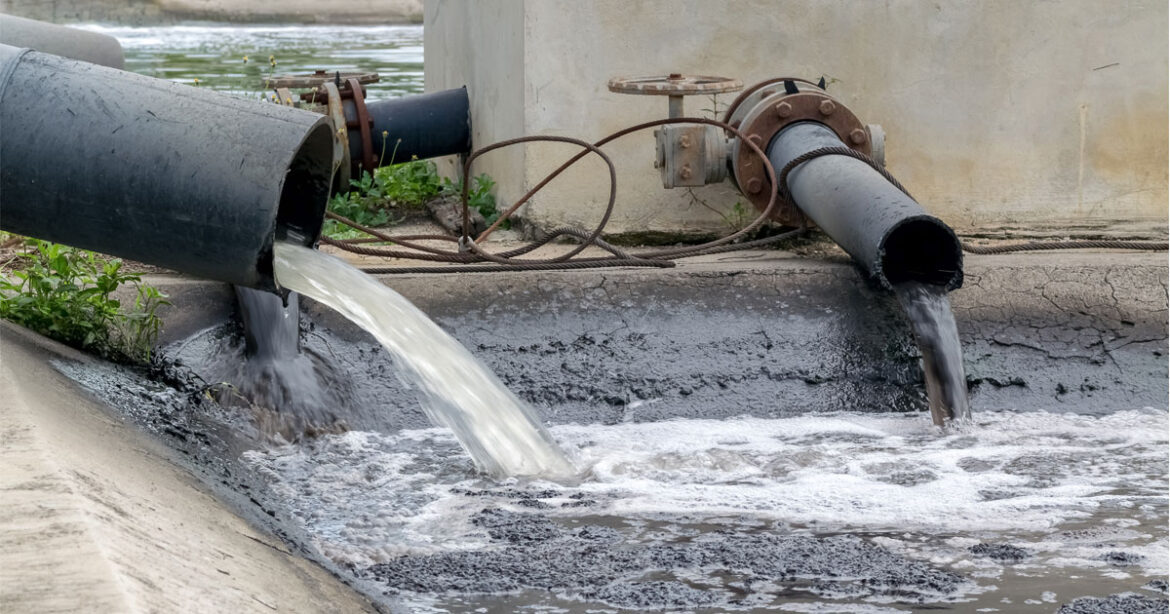
In simple terms, water purity means water free from harmful contaminants. Unfortunately, the water that flows from our taps — and much of the bottled water we buy — rarely meets this ideal.
Experts point out that “much, if not all, tap water contains substances that are harmful to the biology of our cells.” These include:
- Chlorine and Fluoride – Commonly added for disinfection, but potentially toxic to the body.
- Disinfection Byproducts (DBPs) – Chemicals formed during treatment that are proven to disrupt hormones.
- Heavy Metals and Bacteria – Both still show up in water systems.
- Pharmaceuticals and Other Flushed Chemicals – Drugs and substances that make their way back into water supplies.
- Glyphosates and BPAs – From pesticides and plastics, linked to gut and hormonal issues.
- And [many more]…
Contamination doesn’t only happen at the source. It can come from aging pipes, poorly maintained filtration systems, or even debris trapped in the tiny mesh of your faucet head.
Why Should You Care About Water Purity?
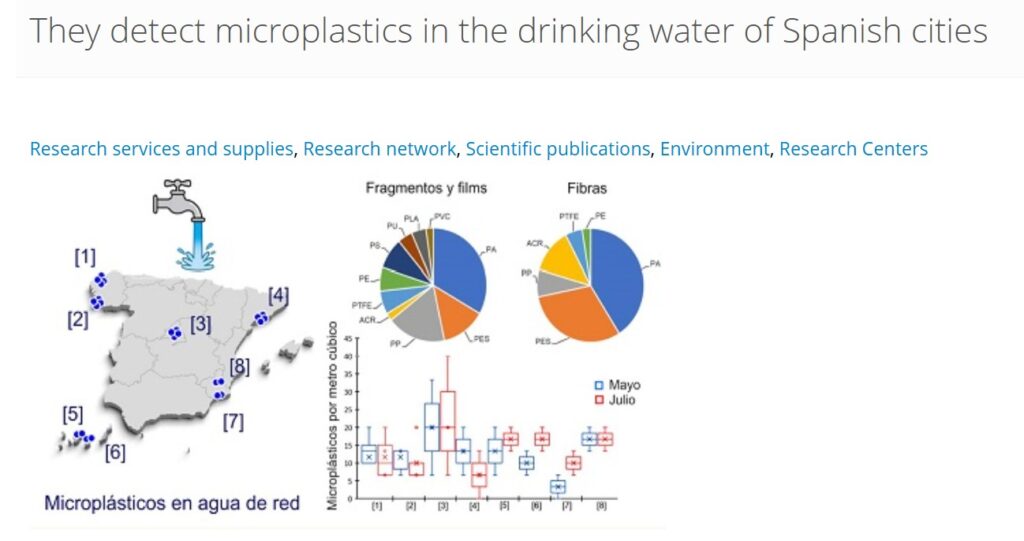
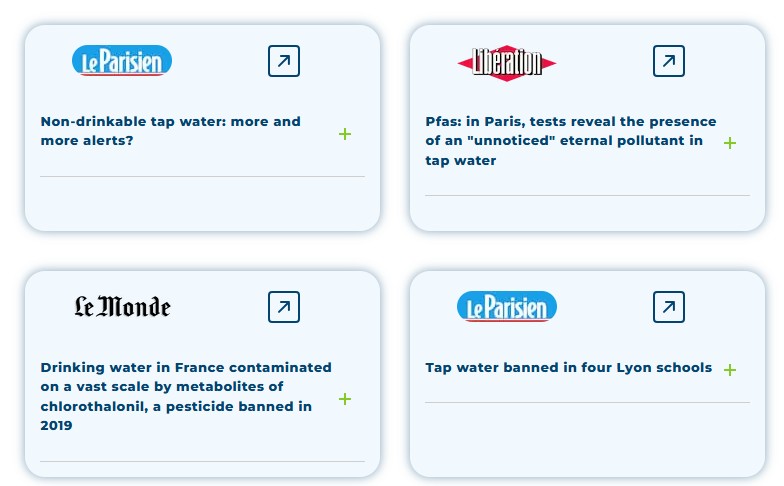
This isn’t just a wellness trend — water quality is fundamental to your health and performance. Here’s why it matters:
- Hidden Toxins Drive Disease and Aging – Contaminants are known to contribute to disease and accelerate premature aging.
- Poor Cellular Hydration – Even if you’re drinking enough, toxins can block your cells from absorbing water efficiently, leaving you dehydrated at the cellular level.
- Hormone Disruption – DBPs disrupt fertility and reproductive health; fluoride interferes with thyroid function; bottled water chemicals can hammer your hormones.
Not to mention that when water is properly filtered and mineralized, it doesn’t just hydrate — it can act as an antioxidant, lower blood pressure, improve mood, and enhance both mental and physical performance.
Common Challenges
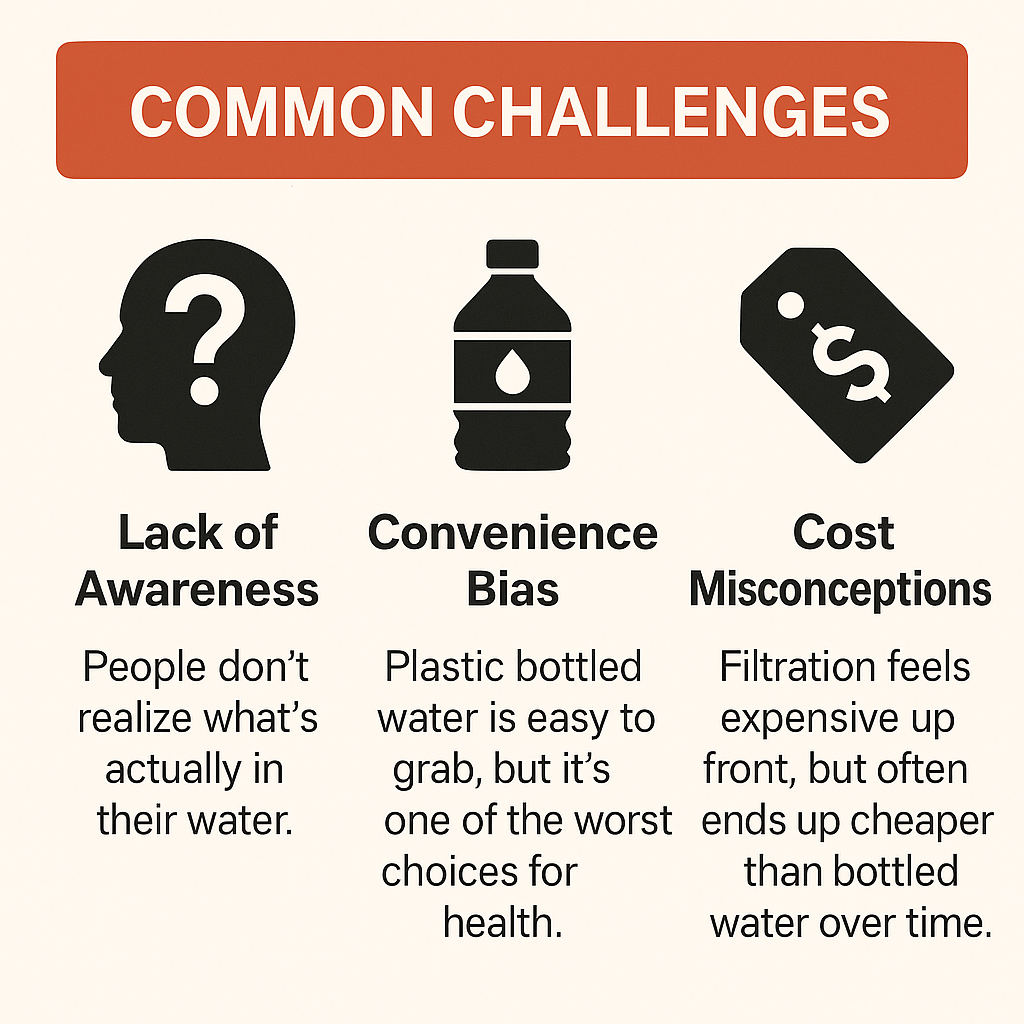
If water purity is so important, why don’t more people act on it? Here are the barriers most face:
- Lack of Awareness – People don’t realize what’s actually in their water.
- Convenience Bias – Plastic bottled water is easy to grab, but it’s one of the worst choices for health.
- Cost Misconceptions – Filtration feels expensive up front, but often ends up cheaper than bottled water over time.
Hard Facts to Motivate You (Science-Based)
Here’s what the research makes crystal clear:
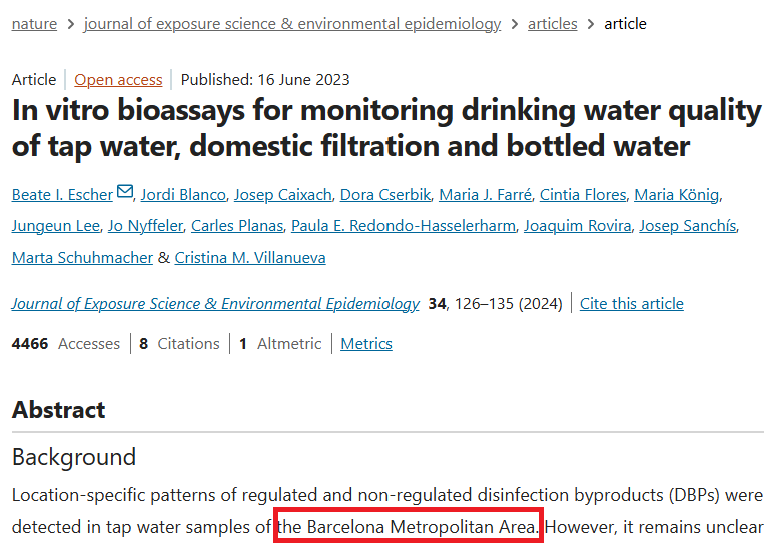
- Much of tap water contains harmful contaminants → Much, if not all, tap water contains things that are bad for the biology of our cells. [1][2]
- Fluoride disrupts thyroid hormones → As little as 0.5 mg/L negatively impacts TSH and T3, impairing metabolism, mood, and energy regulation. [3]
- Plastic bottled water disrupts hormone receptors → Unlike purified tap water, which shows no adverse receptor impact. [4]
- DBPs (disinfection byproducts) disrupt hormones → Associated with impaired ovarian function, spermatogenesis, and reduced fertility outcomes, even at typical drinking water concentrations. [5]
INTERESTING VIDEOS TO WATCH
HOW TO GET INTO HACKTION?

Practical Instructions
The main idea is simply to get the cleanest water possible.
Here’s how to take charge of your water today:
Step 1 – Test Your Water
The best approach is not to blindly trust the quality of your tap water. If you believe it’s safe to drink, consider running a test — it will show you exactly what’s coming out of your tap.
For water testing, [MyTapScore] seems to be the best option. I couldn’t find an equivalent service in France/Europe, but they do ship internationally. So if I were to run a test (even though it’s quite expensive), I would choose them.
Step 2 – Pick Your Filter
- Budget (< 100€): Clearly Filtered pitcher or Faucet Filter.
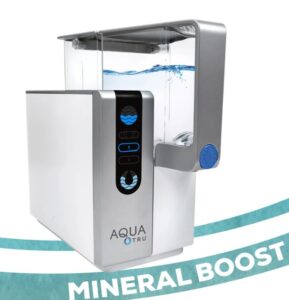
- Intermediate (~464€): [AquaTru Classic – Alkaline] Reverse Osmosis (RO) system (with remineralization stage)
- Advanced (1,000€+): Whole-house filter.
- On-the-Go: Portable bottles with built-in filters. =>[ Like this ONE ]
I haven’t listed every single filtration option out there — simply because the market is huge and many brands offer endless variations. Instead, I’ve shared the systems I personally chose after my own research.
Whether you’re in Spain, France, or the U.S., the market is broad and diverse. For my benchmark, I relied on the work of [WaterFilter Guru], who has done a great job of testing and comparing many systems. The only limitation is that their reviews are U.S.-focused. Still, I highly recommend checking their website — it’s an excellent resource to understand the “best-in-class” systems available in the American market, which you can then use as a comparison point for products you might find in Spain or Europe.
What I particularly appreciated about WaterFilter Guru is their third-party testing approach. They use MyTapScore systematically, running before-and-after tests whenever they review or compare machines. This independent method adds a level of credibility and trust that’s often missing in brand-driven reviews.
From there, I’ll also share a framework to help you decide which filter type makes the most sense for your situation, based largely on the work of WaterFilter Guru.
Framework: How to Choose Your Water Filtration System
Step 1 – Know Your Source
- City/Municipal Water → Main issues: chlorine, fluoride, DBPs, pharmaceuticals, old pipes.
- Well Water → Main issues: bacteria, pesticides, heavy metals, nitrates.
Step 2 – Define Your Goal
- Better taste & smell only → Simple carbon filters (pitcher, faucet-mounted). Improve taste and smell by removing chlorine, some chloramine, and certain volatile organic compounds (VOCs).
Most basic carbon filters (like standard Brita) do not remove fluoride, DBPs, nitrates, or bacteria. - Remove chlorine + most contaminants → Countertop or under-sink carbon block / multi-stage filters.
- Comprehensive purification (fluoride, DBPs, heavy metals, microplastics) → Reverse Osmosis (RO) + remineralization.
- Microbial protection (well water or risk of pathogens) → UV disinfection or ultrafiltration.
- Whole home improvement (showers, appliances, pipes) → Whole-house filtration systems.
Step 3 – Consider Your Living Situation
- Renters / Small spaces → Pitchers, faucet-mounted filters, countertop filters.
- Homeowners → Under-sink RO, whole-house systems, or combinations.
- Travelers / Outdoor use → Portable filters or filtered water bottles.
Step 4 – Balance Budget vs. Maintenance
| System Type | Upfront Cost | Annual Cost | Best For |
|---|---|---|---|
| Pitcher / Faucet filter | $30–$100 | $50–$150 | Entry-level, renters, low budgets |
| Countertop filter | $80–$300 | $80–$150 | Medium budget, easy setup |
| Countertop RO | $300–$500 | $100 | High purity, renters (non-invasive) |
| Under-sink RO | $500–$1,000 | $100–$250 | Best drinking water quality |
| Whole-house system | $1,300–$4,000+ | $100–$500 | Full home protection |
Step 5 – Check Key Features
- Certifications → NSF 42 (chlorine), NSF 53 (lead/health contaminants), NSF 58 (RO), NSF 55 (UV).
- Filter capacity → Longer lifespan = fewer replacements.
- Flow rate → Higher for households with multiple users. (more important than you might think…)
- Mineral retention → If taste & health benefits (magnesium, calcium) matter, avoid distillers/RO unless you remineralize.
Step 6 – My Recommendation
- Entry point: Clearly Filtered pitcher (budget-friendly, removes most harmful contaminants).
- Mid-range: AquaTru countertop RO or Berkey.
- Advanced: Whole-house system with carbon + KDF + optional UV, and RO under the sink for drinking.
AUTHOR’S NOTE
There’s often a long gap between realizing that our water is polluted — full of contaminants — and actually taking consistent action to fix it. I know this well, because it was part of my own journey among many other exposures to toxins. Water contamination is a kind of silent killer: the risks are not always obvious in the short term. Day by day, the amounts seem almost negligible, so we don’t pay much attention. But over the long run, they really do matter.
The first reflex, for many (myself included), is to stop drinking tap water and switch to bottled mineral water — ideally in glass bottles, though of course that comes with weight and deposit constraints. Some people fall back on plastic bottles, telling themselves that, yes, there are microplastics, but surely that can’t be worse than tap water. It’s an understandable intermediate step, though far from ideal.
The best path forward is to move as quickly as possible toward a proper filtration system. In the mid-range budgets, reverse osmosis with remineralization is one of the most effective options. After benchmarking different systems and studying the possibilities, I personally chose the AquaTru system (ok for 2 people at home) over Berkey — for a number of subtle reasons I won’t go into here, but I’m happy to discuss if you’re curious.
And when you add it all up, the cost is essentially the same as what most people already spend on bottled water.
CONCLUSION
The state of water purity might seem overwhelming at first — but the solution is refreshingly simple. With affordable filtration and mindful hydration practices, you can transform the water you drink into one of your most powerful health tools.
By treating water not as a background habit but as a daily biohack, you lay the foundation for better energy, sharper focus, and healthier aging.
Pure water = pure potential.
Erwin
F.A.Q
Is tap water safe?
Not really. Most tap water contains chlorine, fluoride, DBPs, metals, and even traces of drugs. Filtration makes it safe — and beneficial.
Why is fluoride bad?
Even at low doses, it disrupts thyroid hormones, impacting metabolism, mood, energy, and sleep.
What are DBPs?
Toxic byproducts of water disinfection that disrupt hormones and reproductive health.
Are bottled waters better?
No. Plastic bottled water is “toxic” for hormones. Studies show it’s worse than filtered tap.
REFERENCES
[1] Escher, B. I., Blanco, J., Caixach, J., Cserbik, D., Farré, M. J., Flores, C., König, M., Lee, J., Nyffeler, J., Planas, C., Redondo-Hasselerharm, P. E., Rovira, J., Sanchís, J., Schuhmacher, M., & Villanueva, C. M. (2024). In vitro bioassays for monitoring drinking water quality of tap water, domestic filtration and bottled water. Journal of Exposure Science & Environmental Epidemiology, 34, 126–135. https://www.nature.com/articles/s41370-023-00566-6[2] Domínguez-Morueco, N., González-Alonso, S., & Valcárcel, Y. (2014). Phthalate occurrence in rivers and tap water from central Spain. Science of The Total Environment, 500-501, 139–146. https://pubmed.ncbi.nlm.nih.gov/25217752/[3] Iamandii, I., De Pasquale, L., Giannone, M. E., Veneri, F., Generali, L., Consolo, U., Birnbaum, L. S., Castenmiller, J., Halldorsson, T. I., Filippini, T., & Vinceti, M. (2023). Does fluoride exposure affect thyroid function? A systematic review and dose-response meta-analysis. Science of The Total Environment. https://www.sciencedirect.com/science/article/pii/S001393512302563X?via%3Dihub[4] Real, M., Molina-Molina, J. M., Jiménez-Díaz, I., Arrebola, J. P., Sáenz, J. M., Fernández, M. F., & Olea, N. (2014). Screening of hormone-like activities in bottled waters available in Southern Spain using receptor-specific bioassays. Environment International, 66, 322–329. https://www.sciencedirect.com/science/article/abs/pii/S0160412014003006
(see also: Food Packaging Forum summary: https://foodpackagingforum.org/news/hormonal-activity-in-bottled-mineral-water)[5] Deng, Y. L., Liu, C., Yuan, X. Q., Luo, Q., Miao, Y., Chen, P. P., Cui, F. P., Zhang, M., Zeng, J. Y., Shi, T., Lu, T. T., Li, Y. F., Lu, W. Q., & Zeng, Q. (2023). Associations between urinary concentrations of disinfection byproducts and in vitro fertilization outcomes: A prospective cohort study in China. Environmental Health Perspectives, 131(8), 087003. https://pmc.ncbi.nlm.nih.gov/articles/PMC10481678/
